Technical Ceramic Guides & Engineering Notes

How to choose a ceramic material, how to specify a purity grade, where ceramics sit inside a semiconductor fab, and how to write an enquiry that gets an accurate quotation. Written by the engineering team at Dolphin Advanced Ceramic.

Start Here

Material Selection

If you are specifying an advanced ceramic for the first time, these two guides answer most of the questions we receive.

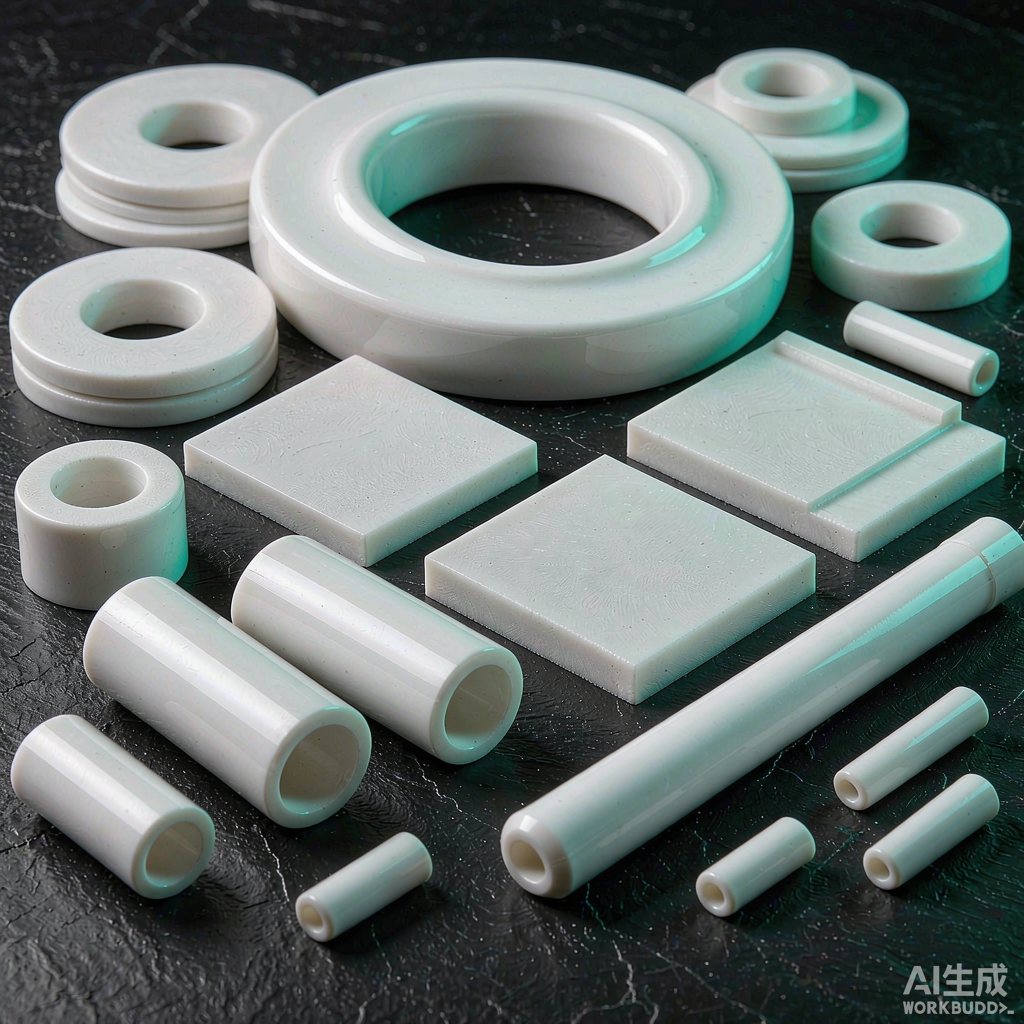
High-purity alumina ceramic components compared with other technical ceramics

Material Selection

Alumina vs AlN vs Zirconia vs SiC

A side-by-side property comparison of the four ceramic systems that cover most industrial demand, with the four-question decision rule our engineers apply to every new drawing — and an honest look at what actually drives the price of a ceramic part.

Updated 22 September 20266 min read
Read the comparison
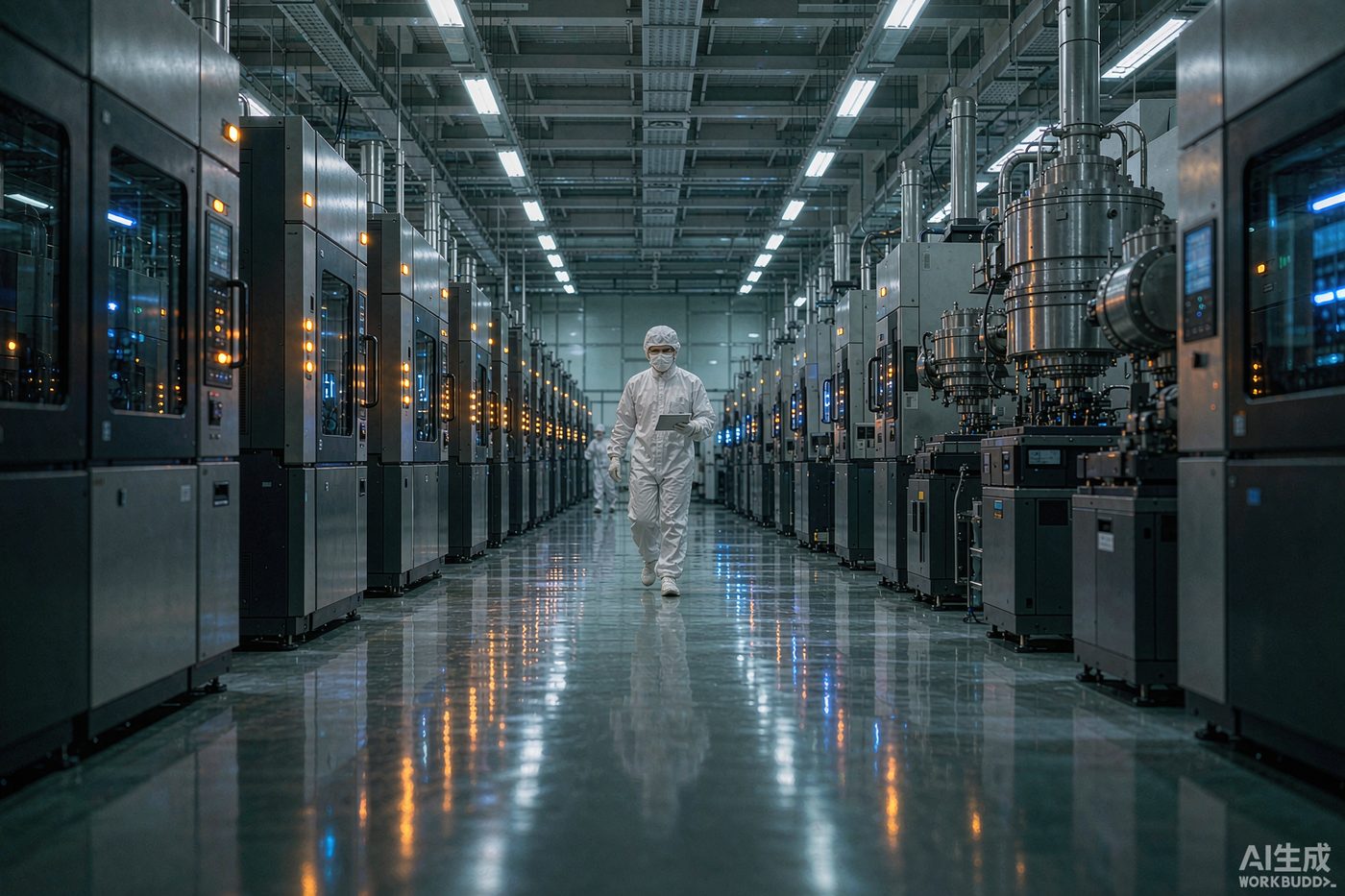
Semiconductor wafer fabrication cleanroom with ceramic components

Semiconductor

Where Ceramics Sit in a Semiconductor Fab

Wafer handling, etch, CVD/PVD, CMP and thermal management — a part-by-part map of which ceramic is used where, why metals, polymers and quartz cannot do the job, and how to write a semiconductor-grade ceramic specification.

Updated 22 September 20265 min read
Read the guide
Materials & Processes

Purity, Plasma and Precision

Deeper material science for engineers who already know which ceramic family they want.

High-purity alumina ceramic components in different purity grades

Material Science

What Alumina Purity Actually Changes

99%, 99.5%, 99.7%, 99.8% — what the number means, what the remaining fraction contains, how density, strength, dielectric behaviour and particle generation change with purity, and when the 99.8% premium is worth paying.

Updated 22 September 20265 min read
Read the guide
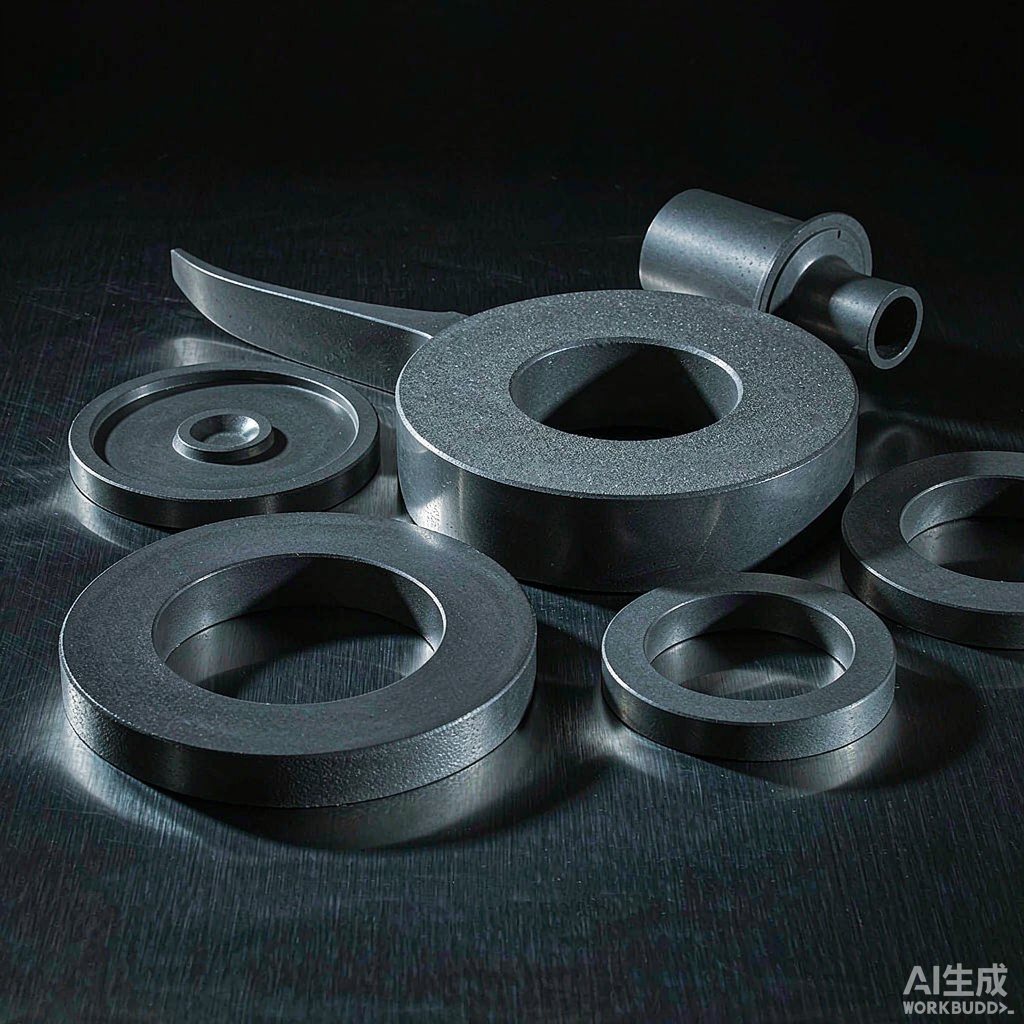
High-purity silicon carbide ceramic focus ring and components

Semiconductor

Silicon Carbide in Plasma Etch

How plasma actually erodes a ceramic, why SiC resists it better than alumina, why focus rings are the fastest-wearing part in an etch tool, and how to evaluate the cost-of-ownership trade-off with real numbers.

Updated 22 September 20266 min read
Read the guide
Design & Sourcing

Working With a Ceramic Manufacturer

Practical guides for the engineering and procurement people who have to make the part real.

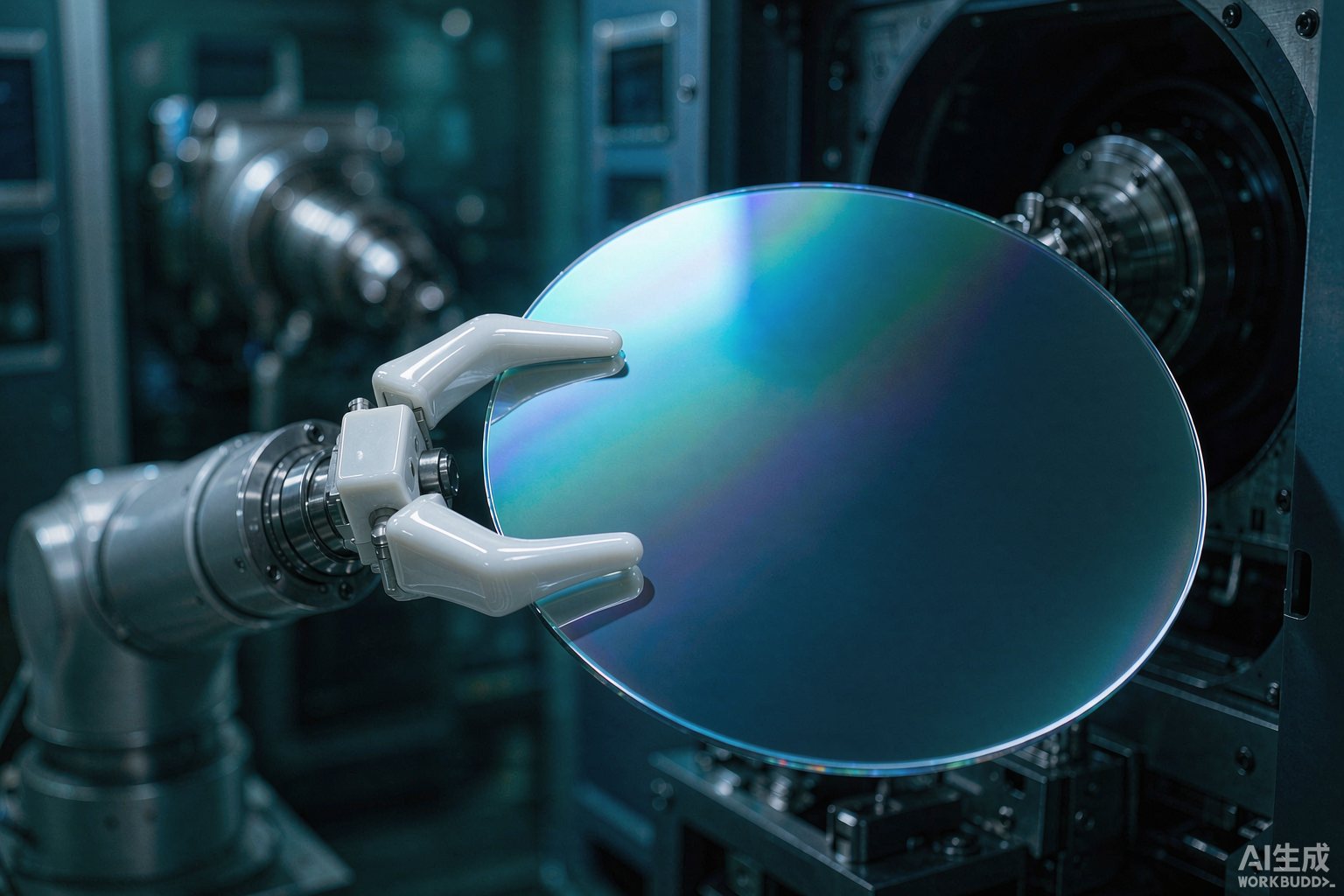
Ceramic end effector handling a silicon wafer

Design Guide

Ceramic Wafer Handling Components

End effectors, vacuum chucks, cantilever paddles and lift pins — why the material is only half the decision, and how flatness, edge radius, surface finish and porosity decide whether a part generates particles.

Updated 22 September 20265 min read
Read the guide
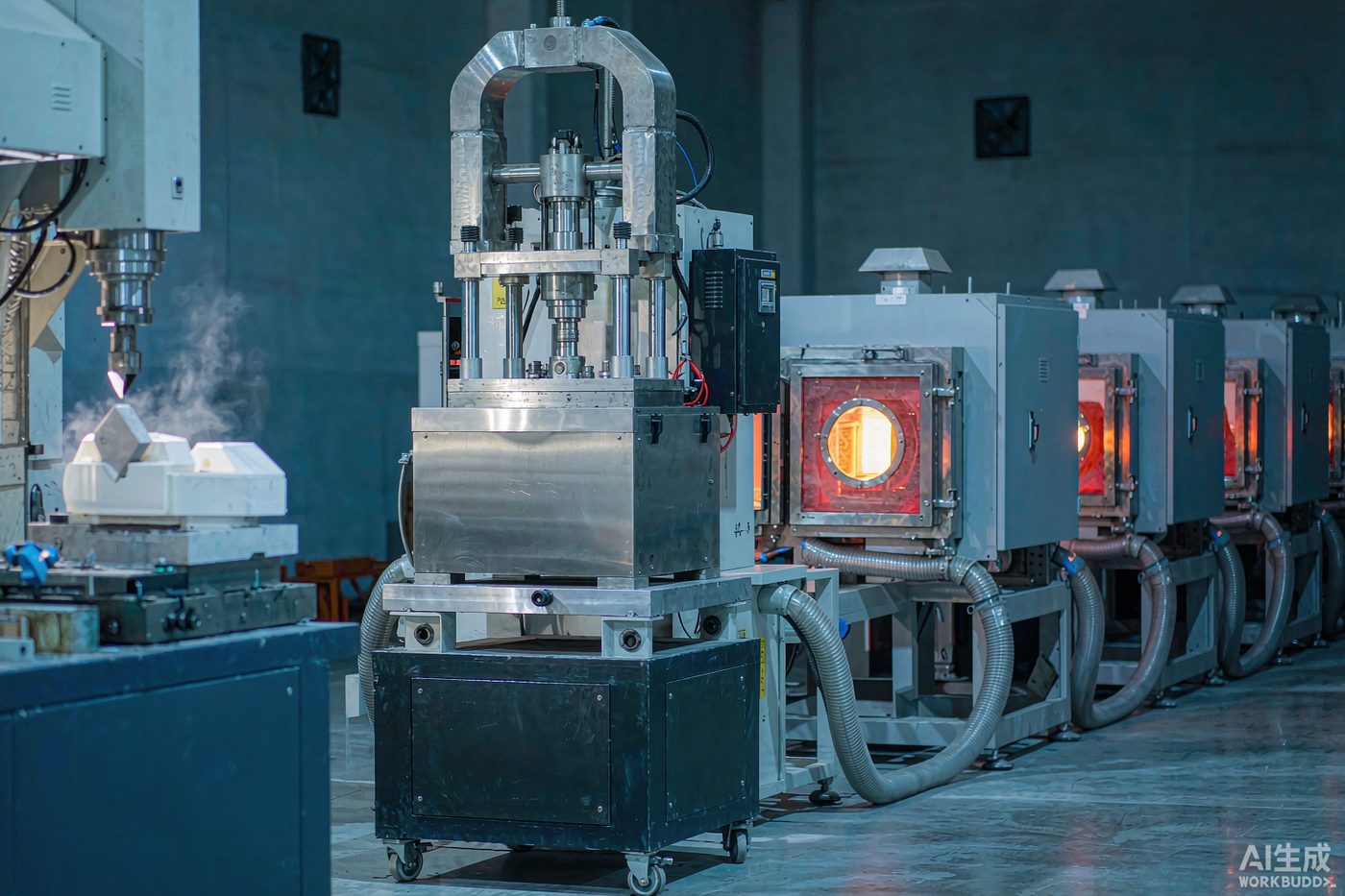
Advanced ceramic production workshop

Sourcing

The Ceramic RFQ Checklist

The ten data points a ceramic factory needs to quote accurately, with a side-by-side example of a vague enquiry and a well-written one, realistic lead times, and five questions worth asking a new supplier.

Updated 22 September 20266 min read
Open the checklist
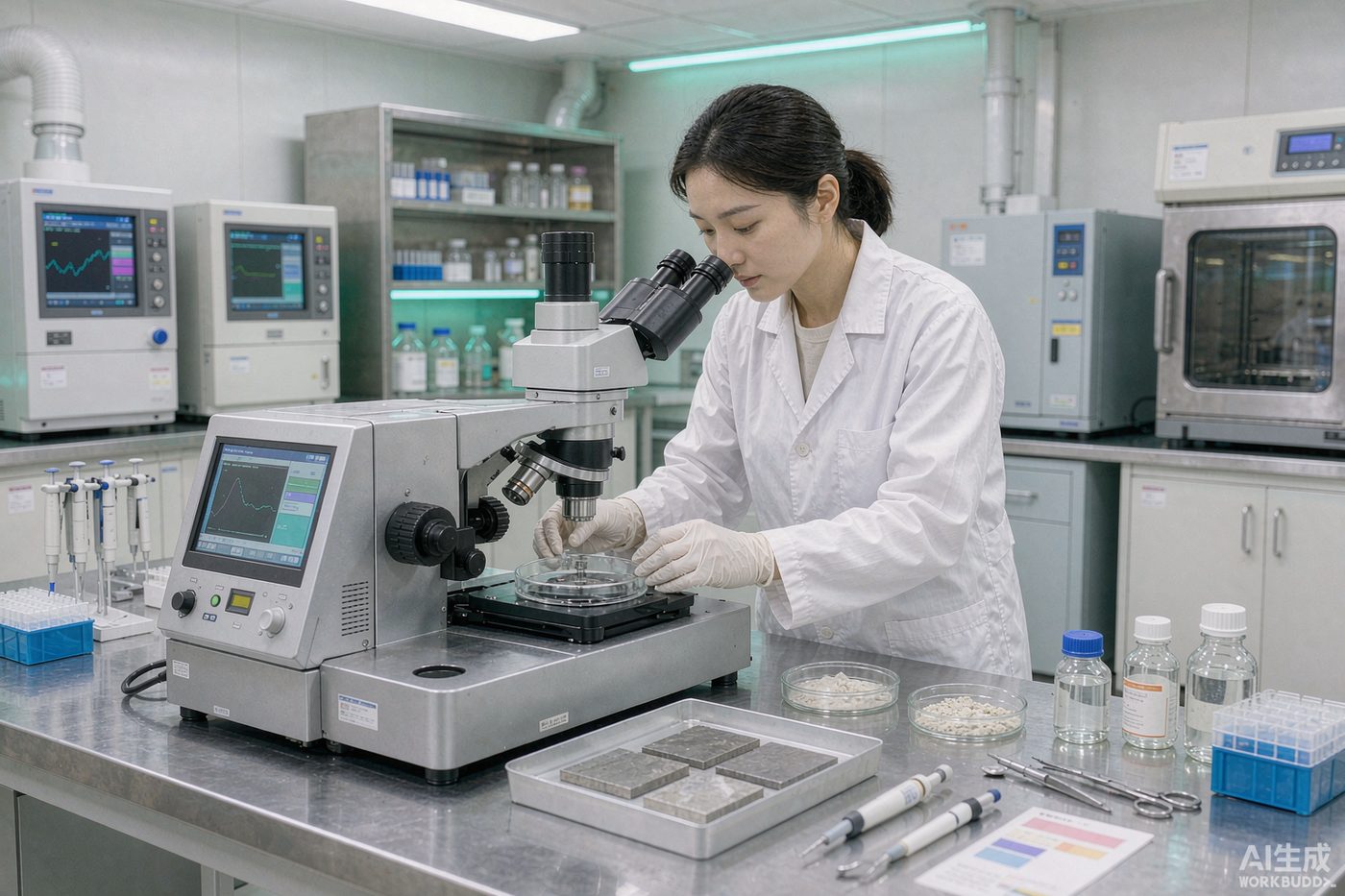
Ceramics research and quality laboratory
About These Guides

Written by the People Who Make the Parts

Every guide on this page is written by the engineering team at our Zibo plant and reviewed against the actual process routes we run — powder formulation, dry-bag and cold isostatic pressing, sintering to 1800 °C, diamond grinding to ±0.005 mm, metallization and brazing.

  • Properties quoted are typical values for the named grades, confirmed per order in the certificate of analysis
  • Where a material trade-off has no universal answer, we say so instead of recommending the most expensive option
  • If you want a recommendation for a specific part, send the drawing and the operating environment — we reply within 24 hours

Ask Our Engineers

Need a Material Recommendation?

Tell us what the part does — temperature, medium, load, electrical duty and expected life — and we will tell you which ceramic to use, and which grade is a waste of money.

Request a Quote