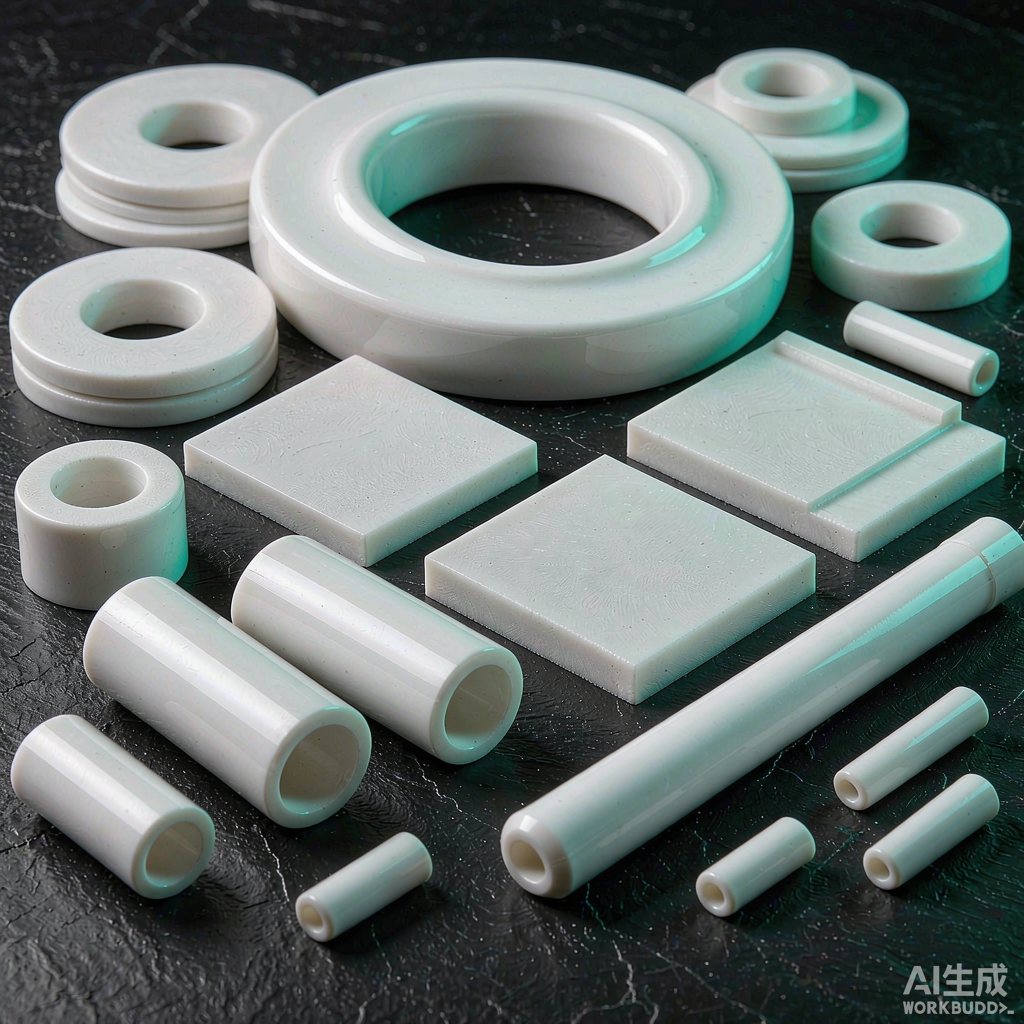
Alumina (Al₂O₃)
99% / 99.5% / 99.7% / 99.8% high-purity grades. Best all-round cost-performance for insulating, plasma-exposed and wear parts.
View material pageFive high-performance ceramic systems — alumina, aluminum nitride, zirconia, silicon carbide and silicon nitride — produced in-house and classified around the downstream applications they serve.
Each material page lists its purity grades, typical properties and the product series we manufacture for specific industries — with semiconductor equipment as our flagship application.
99% / 99.5% / 99.7% / 99.8% high-purity grades. Best all-round cost-performance for insulating, plasma-exposed and wear parts.
View material page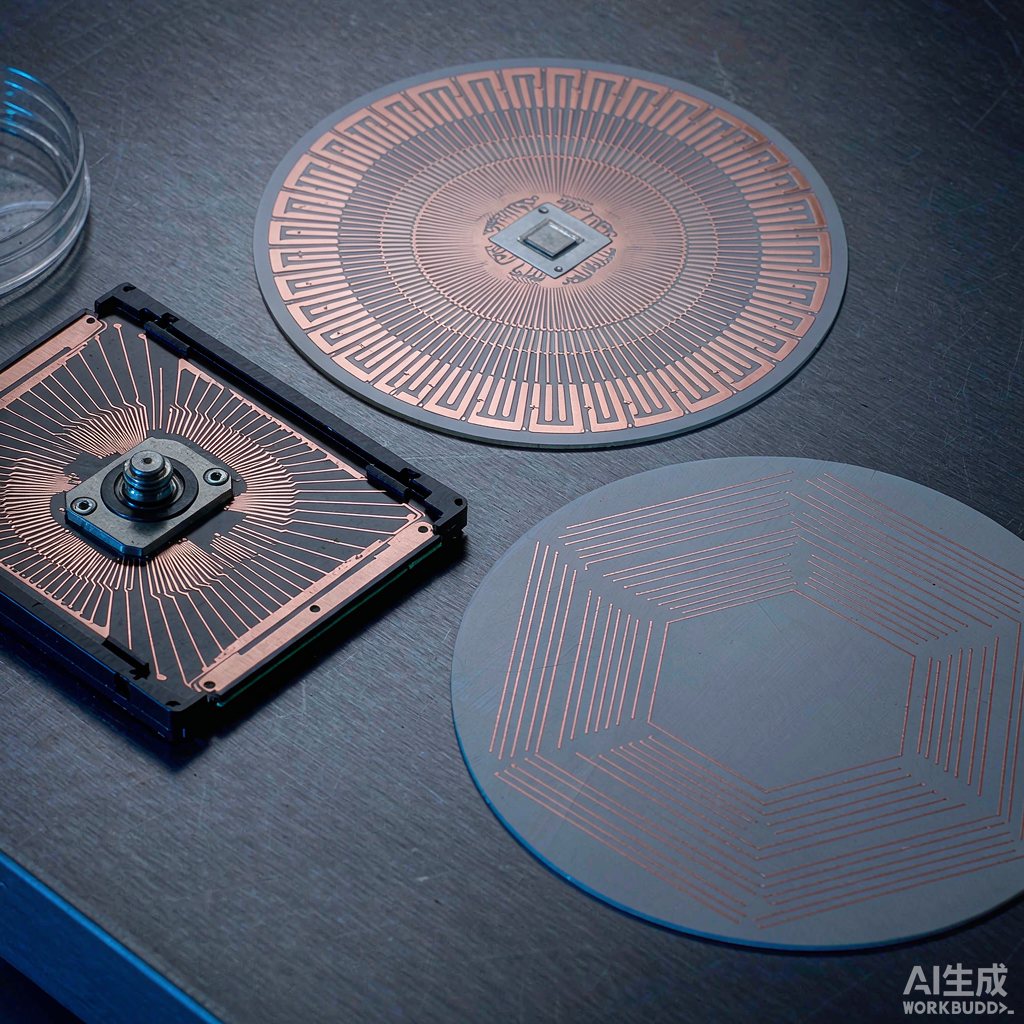
Up to 200 W/m·K thermal conductivity while remaining an electrical insulator. The thermal-management material.
View material page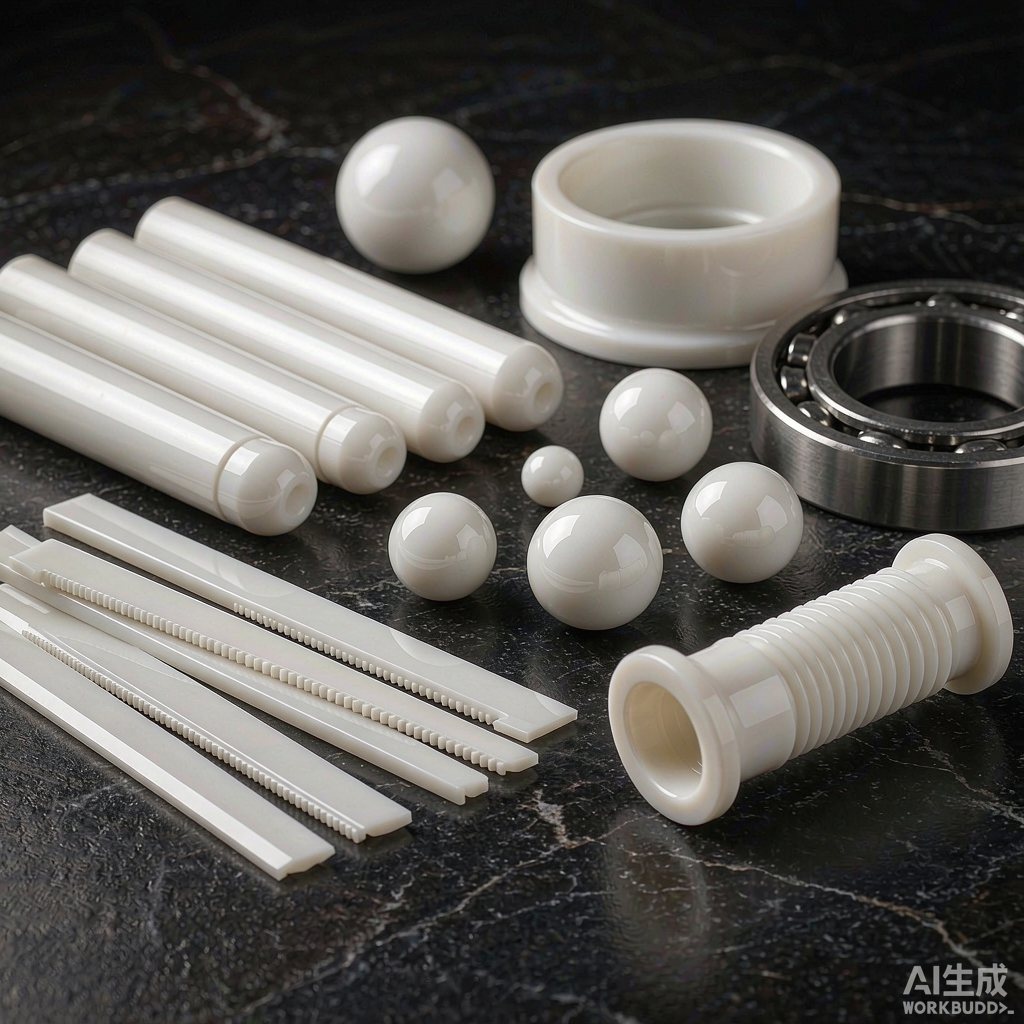
Y-TZP with metal-like toughness, extreme hardness and a low-friction surface for medical and precision mechanical parts.
View material page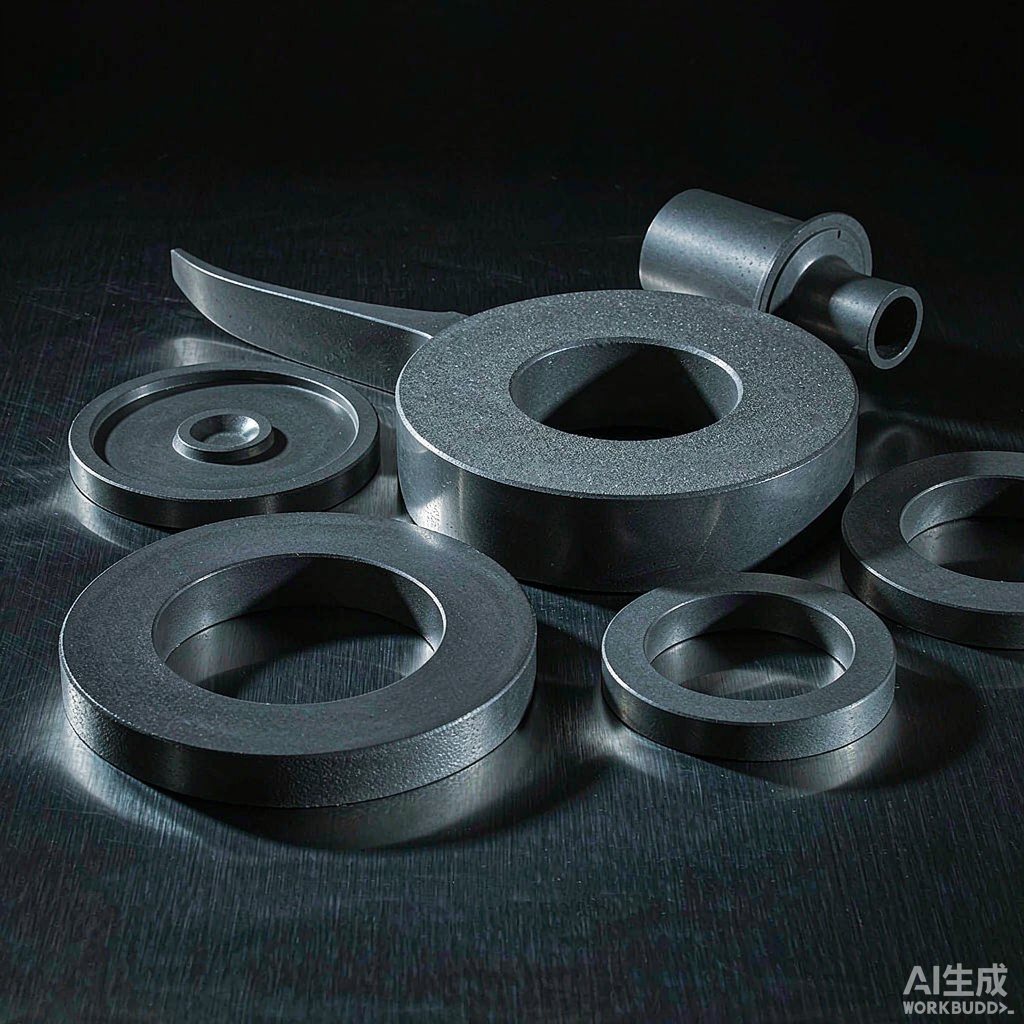
High-purity sintered SiC for aggressive plasma, strong acids and temperatures up to ~1600 °C.
View material page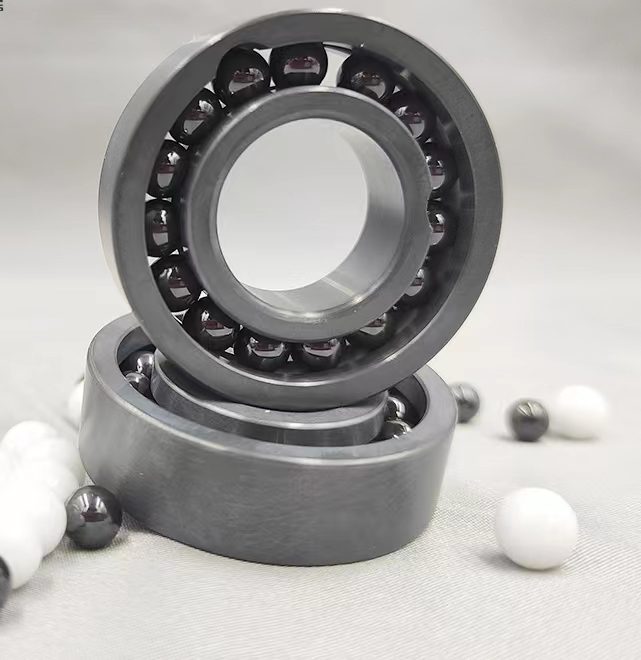
The toughest structural ceramic — hybrid bearings, aluminum degassing rotors, thermocouple tubes and wear parts that survive impact and thermal shock.
View material pageA quick routing guide from application field to the material series we recommend.
| Application Field | Typical Components | Recommended Materials |
|---|---|---|
| Semiconductor equipment | End effectors, vacuum chucks, chamber liners, focus rings, ESC & heater parts, wafer carriers | 99.7–99.8% Al₂O₃ · AlN · high-purity SiC |
| Power electronics & NEV | DBC / AMB substrates, IGBT & SiC-module heat spreaders, connectors | AlN · Al₂O₃ 99.5% |
| LED & optoelectronics | Carrier wafers, reflectors, package substrates, laser heat sinks | AlN · Al₂O₃ 99.7% |
| Photovoltaic & new energy | Diffusion furnace tubes and boats, crucibles, wafer-handling guides | 99% Al₂O₃ · SiC |
| Medical & dental | Dental crowns & abutments, surgical instruments, joint interfaces | ZrO₂ Y-TZP · Al₂O₃ |
| Mechanical & fluid systems | Mechanical seal rings, pump plungers, valves, bearings, nozzles | SiC · ZrO₂ · Al₂O₃ 99% |
| Industrial thermal processes | Kiln furniture, thermocouple tubes, crucibles, wear liners | SiC · Al₂O₃ 99% |
| Property (typical) | Al₂O₃ 99.8% | AlN | ZrO₂ (Y-TZP) | SiC (SSiC) | Si₃N₄ (GPS) |
|---|---|---|---|---|---|
| Bulk density (g/cm³) | 3.95 | 3.26 | 6.05 | 3.10–3.15 | 3.20–3.26 |
| Flexural strength (MPa) | ≈ 420 | 350–400 | 900–1200 | 380–420 | 700–900 |
| Thermal conductivity (W/m·K) | ≈ 30 | 170–200 | 2–3 | 110–120 | 15–23 |
| Coefficient of thermal expansion (10⁻⁶/K) | ≈ 8.0 | ≈ 4.5 | ≈ 10.5 | ≈ 4.2 | ≈ 3.3 |
| Hardness | ≈ 89 HRA | ≈ 1200 HV | 1250–1350 HV | 2600–2800 HV | 1500–1700 HV |
| Max. service temperature | ≈ 1700 °C (inert) | ≈ 1000 °C (air) | ≈ 1000 °C | ≈ 1600 °C (inert) | ≈ 1200 °C (air) |
| Electrical behavior | Insulator | Insulator | Insulator | Insulator | Insulator |
Typical values for reference only — actual data depends on grade, geometry and process route. Detailed datasheets available on request.
Start from the dominant requirement. If you need electrical insulation with good plasma and wear resistance at the lowest cost, choose alumina. If heat has to leave the part while it stays electrically insulating, choose aluminum nitride. If the part is a cutting edge, a valve, a plunger or a precision ball that must survive impact, choose zirconia (Y-TZP). If the part faces plasma, thermal shock or temperatures above 1200 °C, choose silicon carbide. Our full material comparison guide shows all four side by side.
We are primarily a custom manufacturer: roughly 80% of our output is produced to a customer drawing or sample — plates, rings, tubes, discs, nozzles, paddles and machined profiles. For recurring shapes we also hold standard blanks and tooling, which shortens lead time and lowers unit cost.
Material grade, drawing or 3D model, critical tolerances and surface finish, annual quantity, and the operating conditions (temperature, medium, electrical or vacuum environment). Our RFQ checklist lists all ten points — send them complete and we normally return a quotation within 24 hours.
Yes. Every shipment can include a certificate of analysis covering purity, density, flexural strength and hardness, plus a dimensional report from CMM inspection where the drawing requires it. Traceability from powder batch to finished part is standard.
Send us your working environment — temperature, media, load and tolerances — and our engineers will recommend the most cost-effective ceramic grade.