Bearings
Balls & Hybrid Bearings
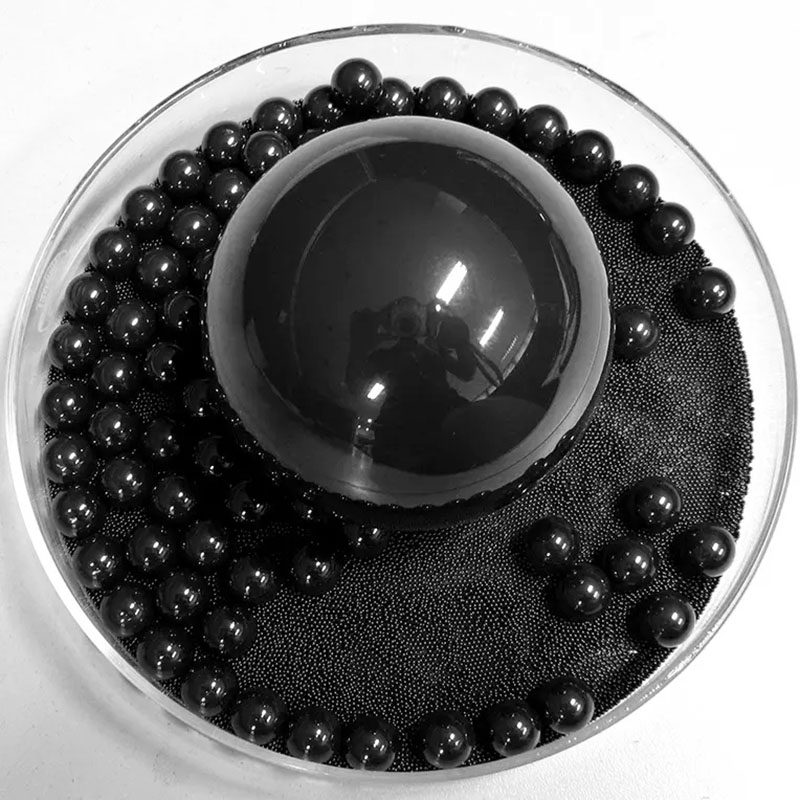
Precision Si₃N₄ balls and complete hybrid bearings for electric motors, machine-tool spindles, wind turbines and food-safe washdown environments.
Gas-pressure sintered Si₃N₄ with twice the toughness of alumina — the material behind hybrid bearings, aluminum degassing rotors and parts that survive impact, quenching and non-stop foundries.
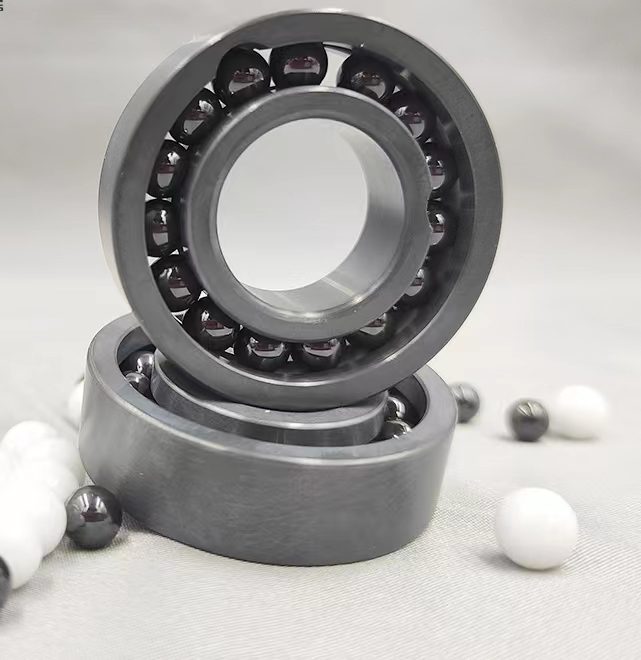
Silicon nitride is the only structural ceramic that combines steel-like fracture toughness with the hardness, insulation and corrosion resistance of a technical ceramic. Drop it, quench it, run it at high speed against hardened steel — Si₃N₄ keeps going, which is why bearing makers and aluminum foundries specify it where every alternative fails.
| Property (typical) | DA-SN (sintered) | DA-SN-B (bearing grade) |
|---|---|---|
| Bulk density (g/cm³) | 3.20–3.26 | 3.22–3.26 |
| Flexural strength (MPa, RT) | 700–900 | 800–1000 |
| Fracture toughness (MPa·m¹ᐟ²) | 6.5–8.0 | 7.0–8.0 |
| Thermal conductivity (W/m·K, 20 °C) | 15–23 | 16–23 |
| C.T.E. (10⁻⁶/K, 20–1000 °C) | 3.2–3.5 | 3.2–3.5 |
| Hardness (HV) | 1500–1700 | 1600–1700 |
| Max. service temperature (°C) | ≈ 1200 (air) / ≈ 1400 (inert) | ≈ 1200 (air) |
Typical values for reference; custom specifications and full test reports available on request.
Precision Si₃N₄ balls and complete hybrid bearings for electric motors, machine-tool spindles, wind turbines and food-safe washdown environments.
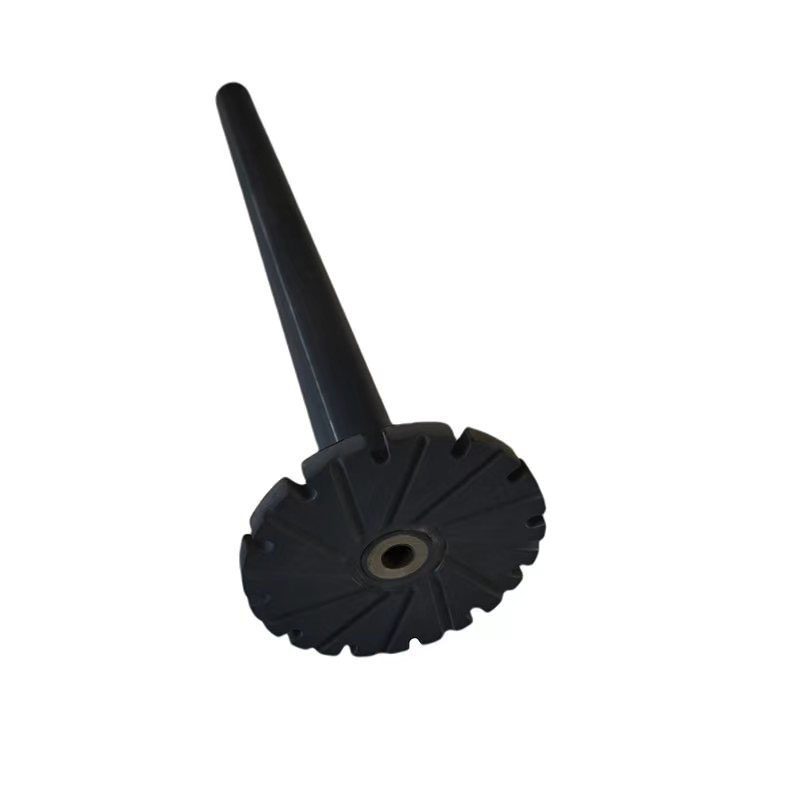
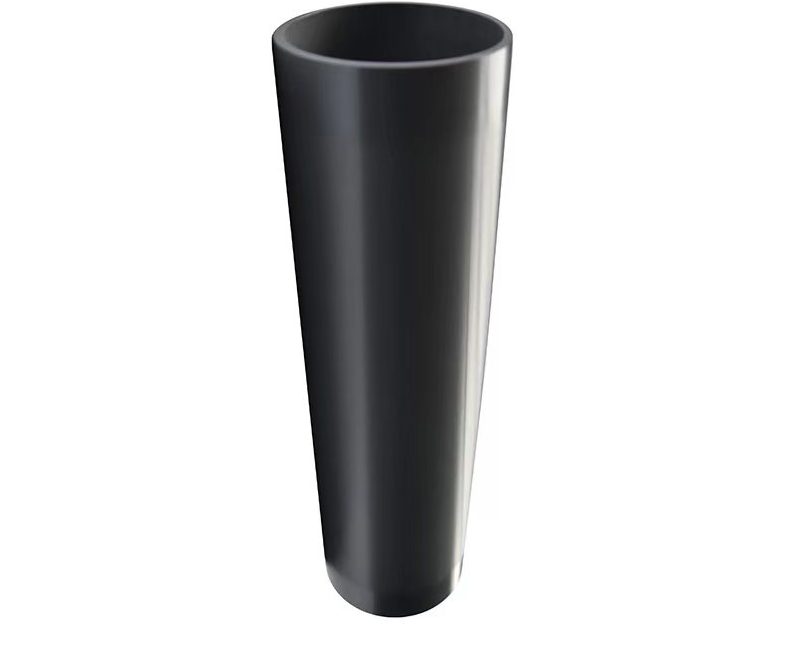
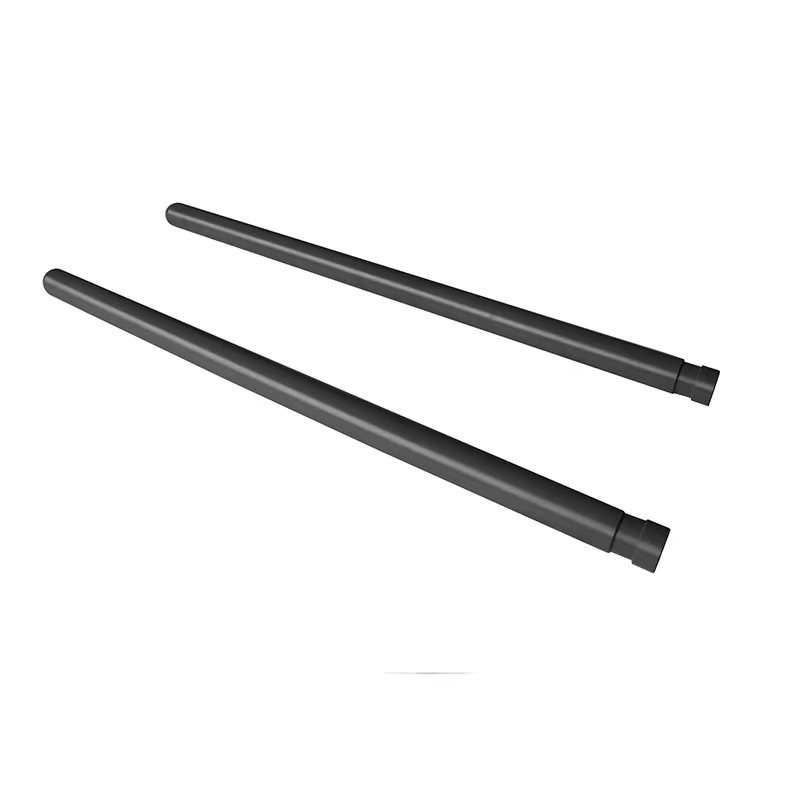
Degassing rotors and shafts, riser and pouring tubes, strainer cages and ladle hardware with several times the life of graphite in molten aluminum.
Thermocouple protection tubes and furnace hardware that tolerate quenching, oxidation and abrasive dust in metallurgical and heat-treat plants.
Seal rings, washer rings and bushings for pumps handling slurries, hot media or dry-running duty where steel seals gall and alumina cracks.
Wear plates, lining tiles, locators and guide pins for high-wear machinery — 1500–1700 HV hardness with the toughness to take impact.
Nozzles, valve balls, fixtures and complex ground geometries produced from STEP / DXF drawings with full inspection reports.
Actual production parts from our facility — send us your drawing or target application and we will quote the same.
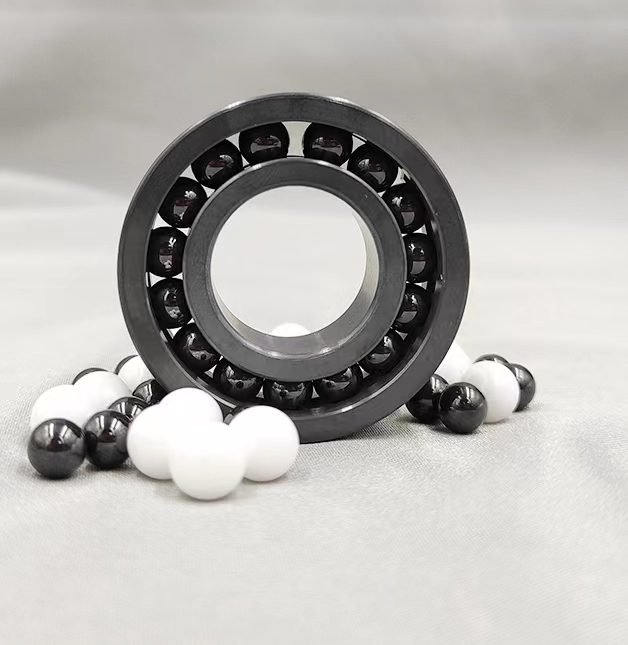
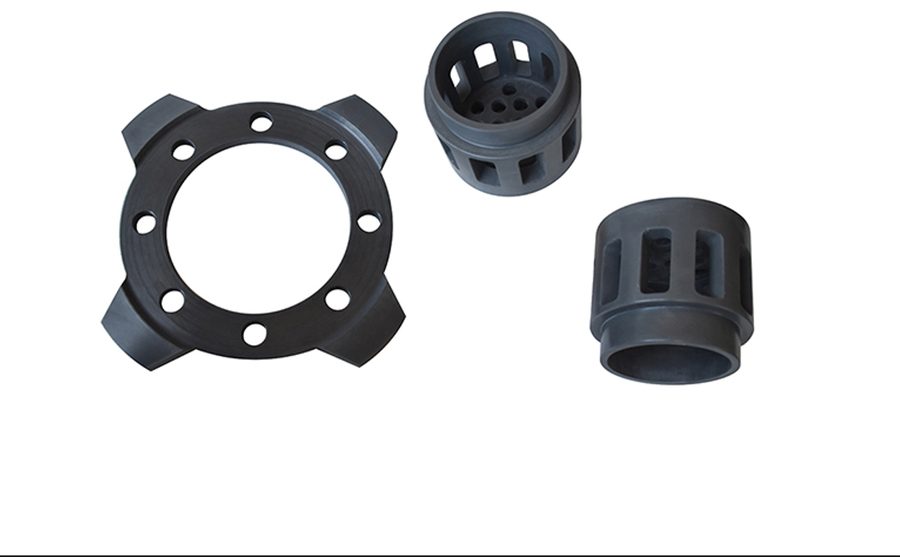
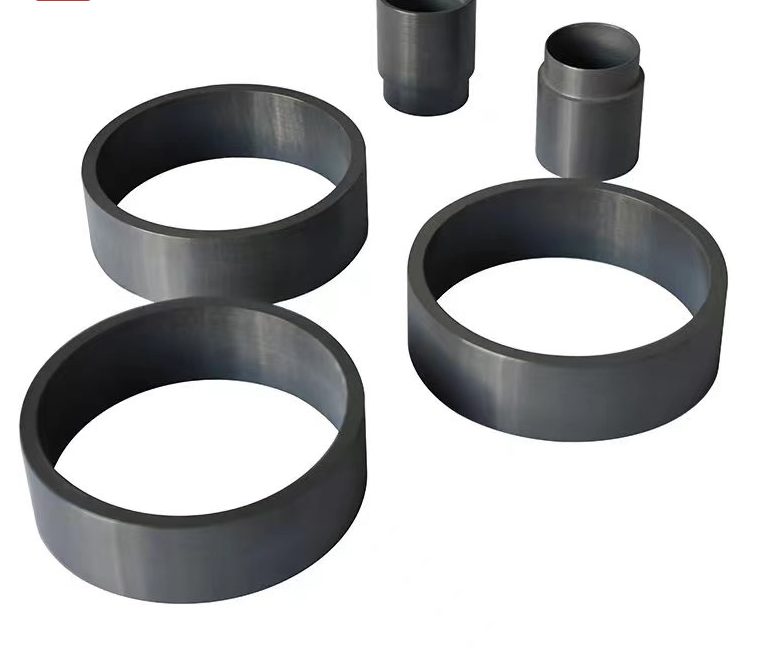
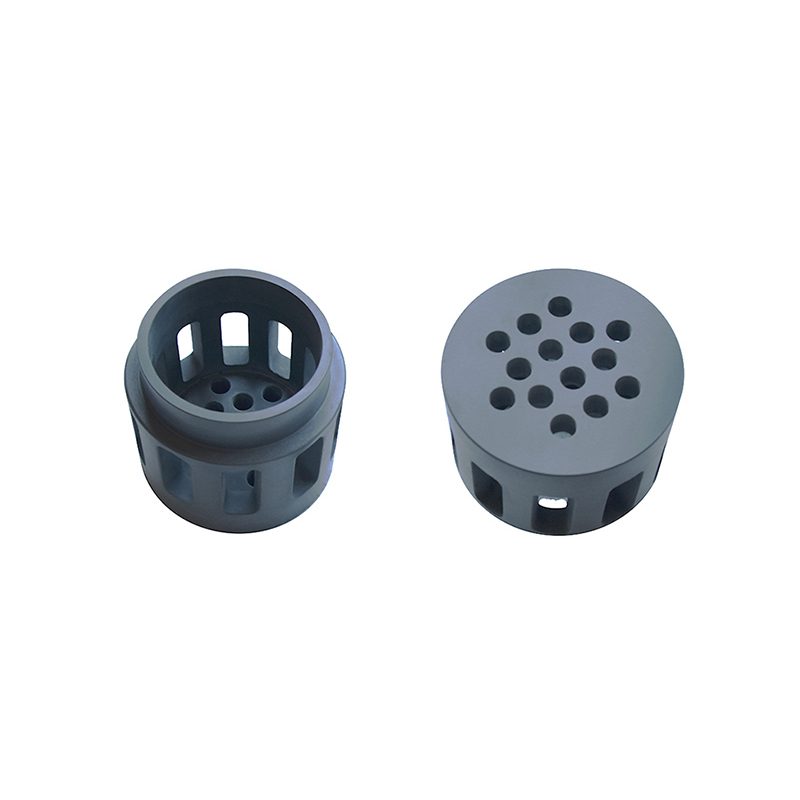
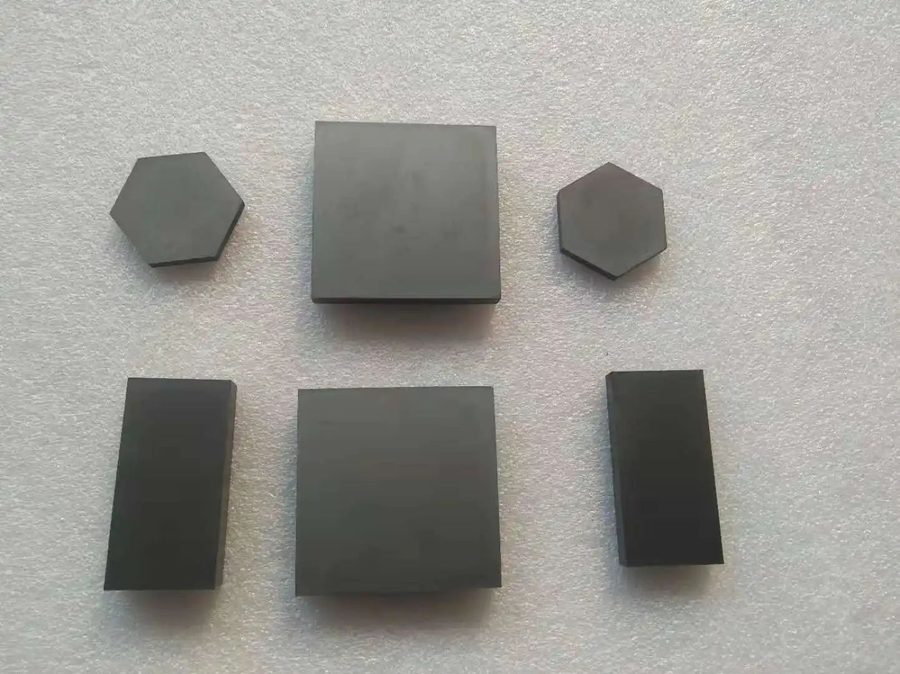
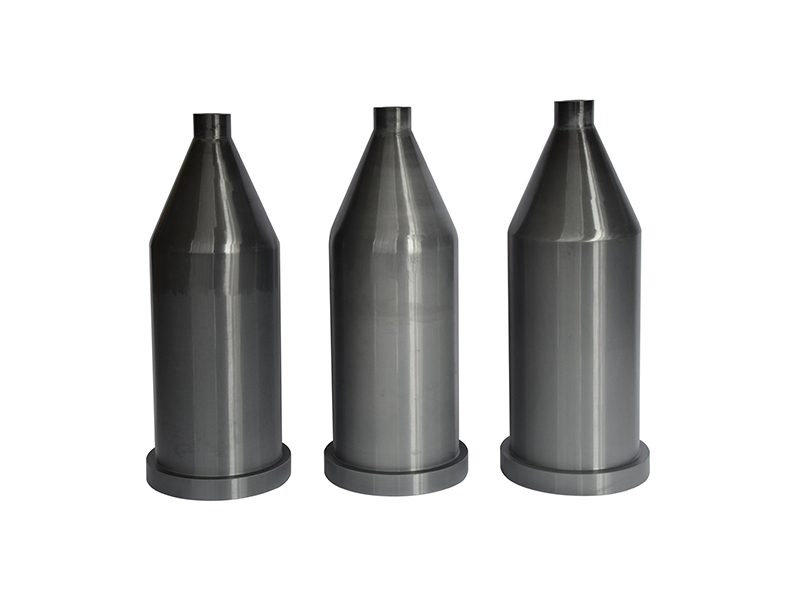
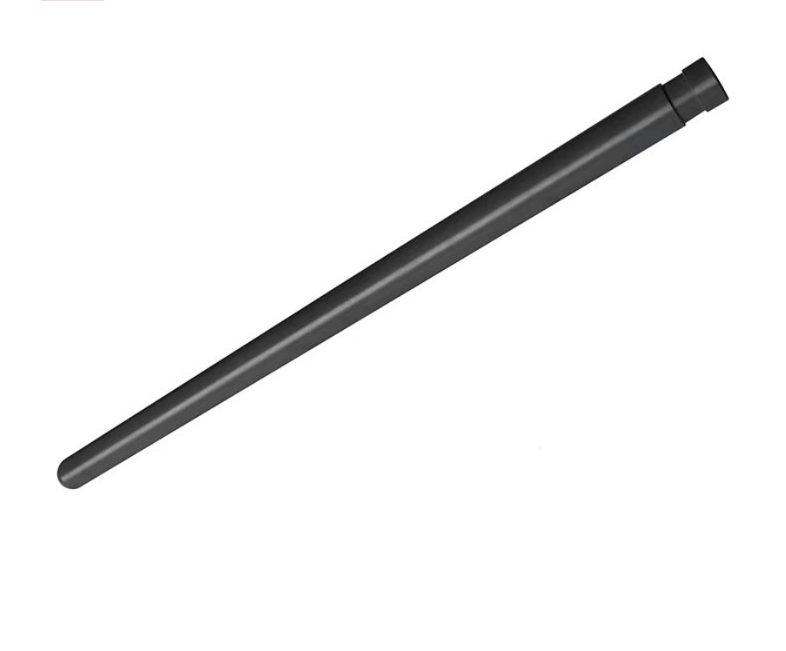
Silicon nitride is the structural ceramic of choice wherever parts must survive impact, thermal shock and rolling contact. Its largest application groups are hybrid and full-ceramic ball bearings, aluminum-foundry equipment such as degassing rotors, riser tubes and thermocouple protection tubes, plus seal rings, wear plates and machined fixtures. It is also specified in automotive and new-energy components where steel or alumina wear out too quickly.
Si₃N₄ has roughly twice the fracture toughness of alumina (6.5–8.0 vs 3–4 MPa·m¹ᐟ²) and far better resistance to mechanical shock and thermal shock. Silicon carbide is superior in chemical and plasma resistance and at higher temperatures, but it is more brittle in impact service. In practice: choose Si₃N₄ for contact, impact and rolling loads, SiC for corrosive and plasma environments, and alumina where cost is decisive.
Si₃N₄ balls weigh about 60% less than steel balls, are electrically insulating and non-magnetic, and have a mirror-smooth, lubricant-friendly surface. Hybrid bearings run cooler, last longer in high-speed or contaminated environments and survive lubricant starvation — which is why they are standard in electric motors, machine-tool spindles and wind turbines.
We manufacture gas-pressure sintered Si₃N₄ degassing rotors and shafts, riser and pouring tubes, thermocouple protection tubes, strainer cages and ladle hardware. Compared with graphite, our silicon nitride parts resist oxidation and molten-aluminum attack, giving several times the service life in continuous degassing and casting lines.
Yes. We diamond-grind, lap and polish sintered Si₃N₄ to customer prints, holding ±0.005 mm on critical features. Send a STEP or DXF file plus quantity — we reply with a priced proposal, material certificate and dimensional inspection report for every shipment.
Send drawings or a sample description — material certificate and dimensional report included with every shipment.