Ceramics Classified by Industry

Our product range is organized around the downstream industries our customers serve — with semiconductor manufacturing as the largest and most demanding field.

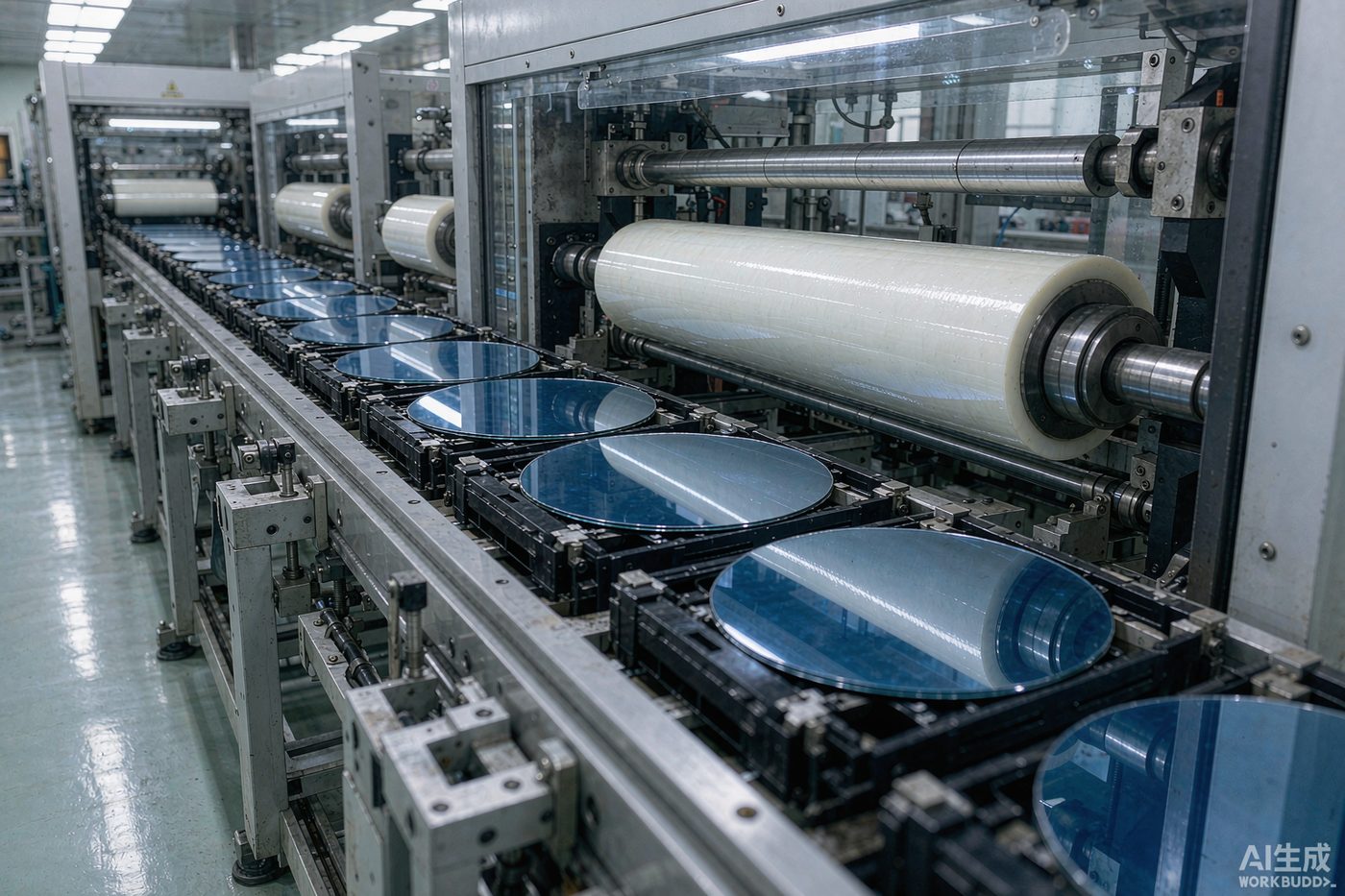
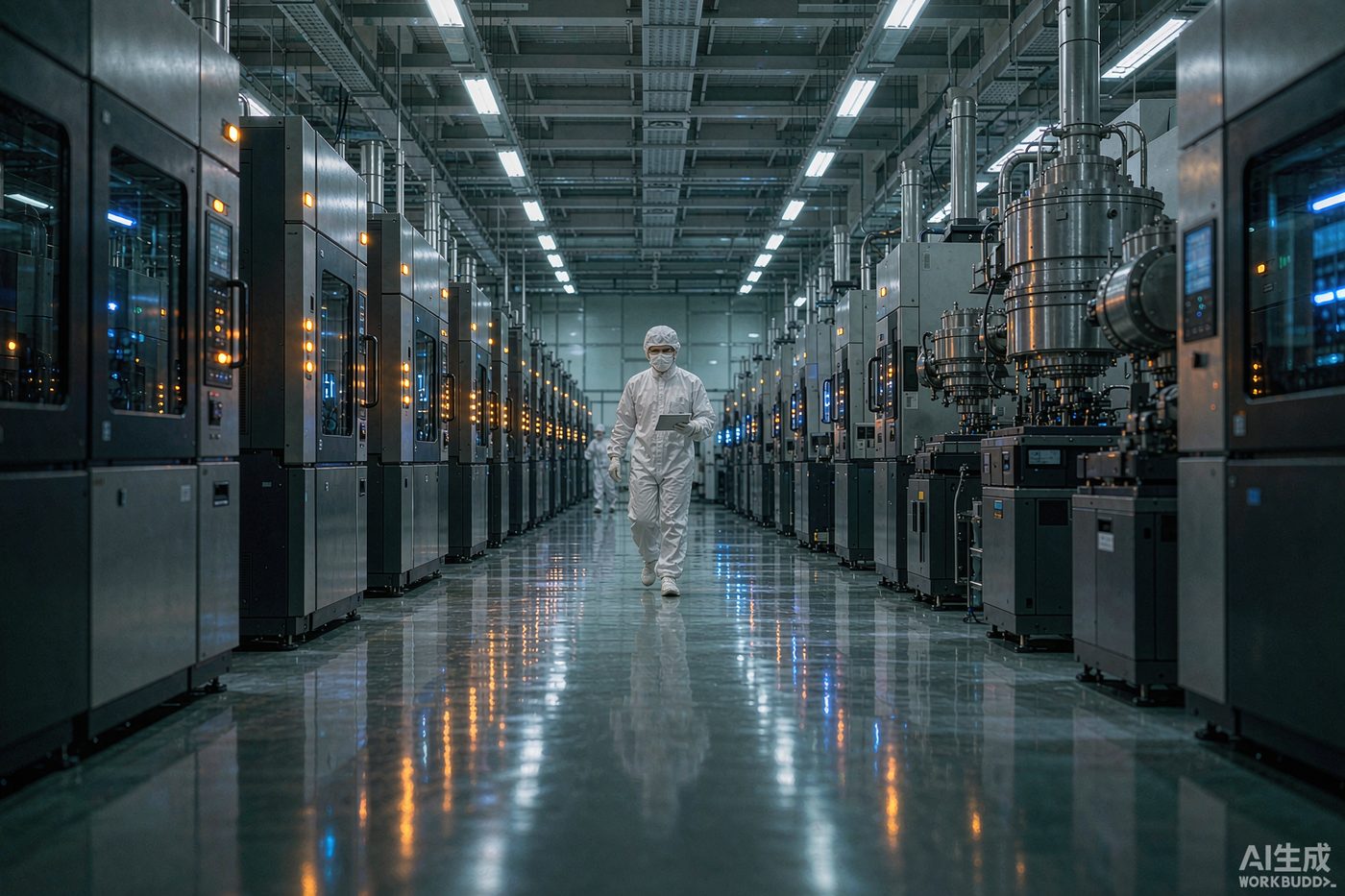
Semiconductor fabrication cleanroom
01 · Core Focus

Semiconductor & Microelectronics

In wafer fabs, ceramic components touch the wafer or sit inside the plasma itself. Particle generation, ionic contamination and plasma erosion are unacceptable — which is why equipment makers specify our high-purity 99.7–99.8% Al₂O₃, AlN and SiC parts.

  • Wafer handling: end effectors, robotic arm tips, vacuum chucks
  • Etch / CVD / PVD chambers: liners, shields, focus rings, insulators
  • ESC parts, wafer heaters and clamping rings (AlN)
  • Epitaxy & CVD wafer carriers and susceptors (high-purity SiC)
  • CMP retaining rings, slurry-handling components
  • Ion implantation: beamline insulators, suppression parts
Alumina for semiconductor parts →

02

LED & Optoelectronics

High-brightness LEDs and laser diodes fail from heat, not light. Aluminum nitride substrates and alumina carriers move that heat away while standing up to growth and packaging processes.

  • AlN package substrates and laser-diode submounts
  • Alumina carrier wafers and polishing plates
  • Sapphire-growth and MOCVD process components
  • Polished insulating parts for optical benches

AlN for LED & photonics →

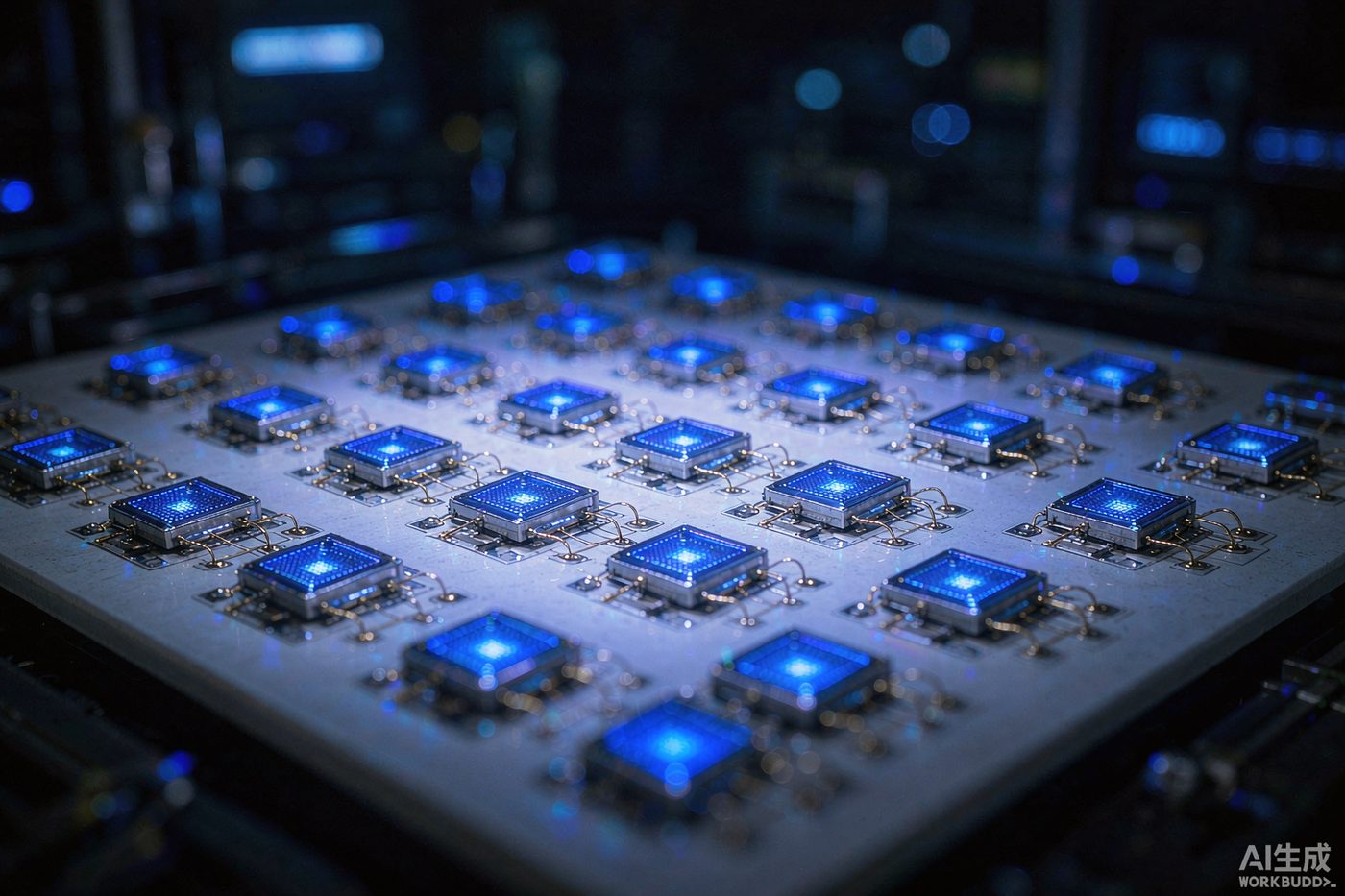
LED chips on ceramic substrate
Photovoltaic cell production line
03

Photovoltaic & New Energy

Solar-cell furnaces run continuously at high temperature in corrosive atmospheres. Our 99% alumina tubes and boats, plus SiC carriers, keep those lines running.

  • Diffusion-furnace tubes, paddles and boats (99% Al₂O₃)
  • SiC wafer carriers for polysilicon and cell processing
  • Thermocouple protection tubes and kiln rollers
  • Hydrogen-production and energy-storage equipment parts

SiC for furnace & carriers →

04

Medical & Dental

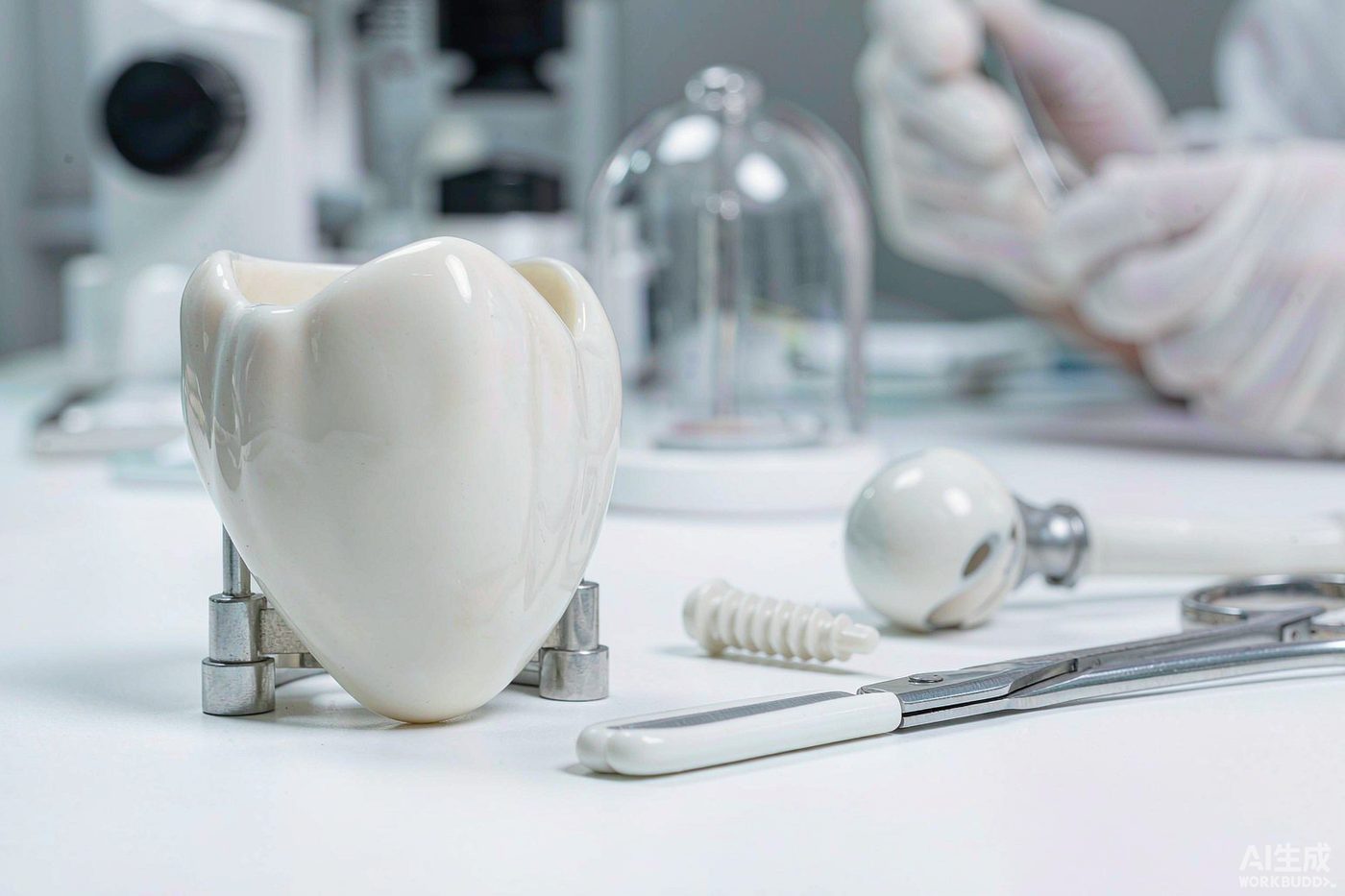
Y-TZP zirconia and high-purity alumina are bio-inert, hypoallergenic and polishable to a mirror finish — the reason ceramics replaced metal in premium dental and joint products.

  • Dental crowns, bridges and implant abutments (white ZrO₂)
  • Orthopedic joint interfaces and bone screws
  • Ceramic surgical instruments: scissors, tweezers, forceps
  • Sterilizable, corrosion-free tooling for device manufacturing

Zirconia for medical & dental →

Medical and dental ceramic components
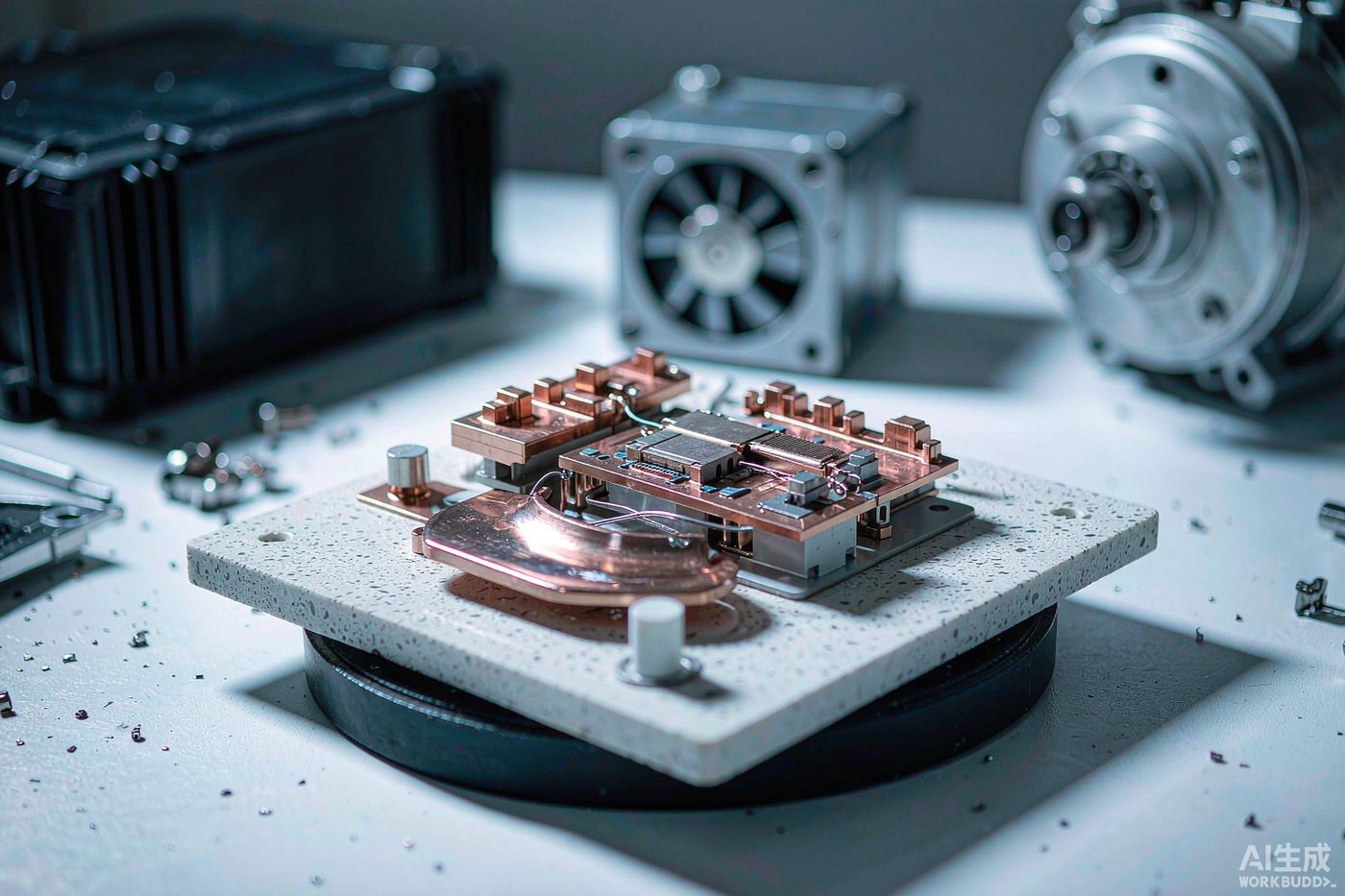
Electric vehicle power module with ceramic substrate
05

Automotive & New Energy Vehicles

Every EV inverter, on-board charger and DC fast-charging stack depends on ceramic substrates to keep wide-bandgap semiconductors cool. AlN and alumina carry the current — and the heat.

  • DBC / AMB substrate blanks for SiC and IGBT power modules
  • AlN heat spreaders and baseplates
  • Peak-sensor, oxygen-sensor and ignition ceramic parts
  • Wear components for brake, fuel and emissions systems

AlN for power modules →

06

Chemical, Industrial & Machinery

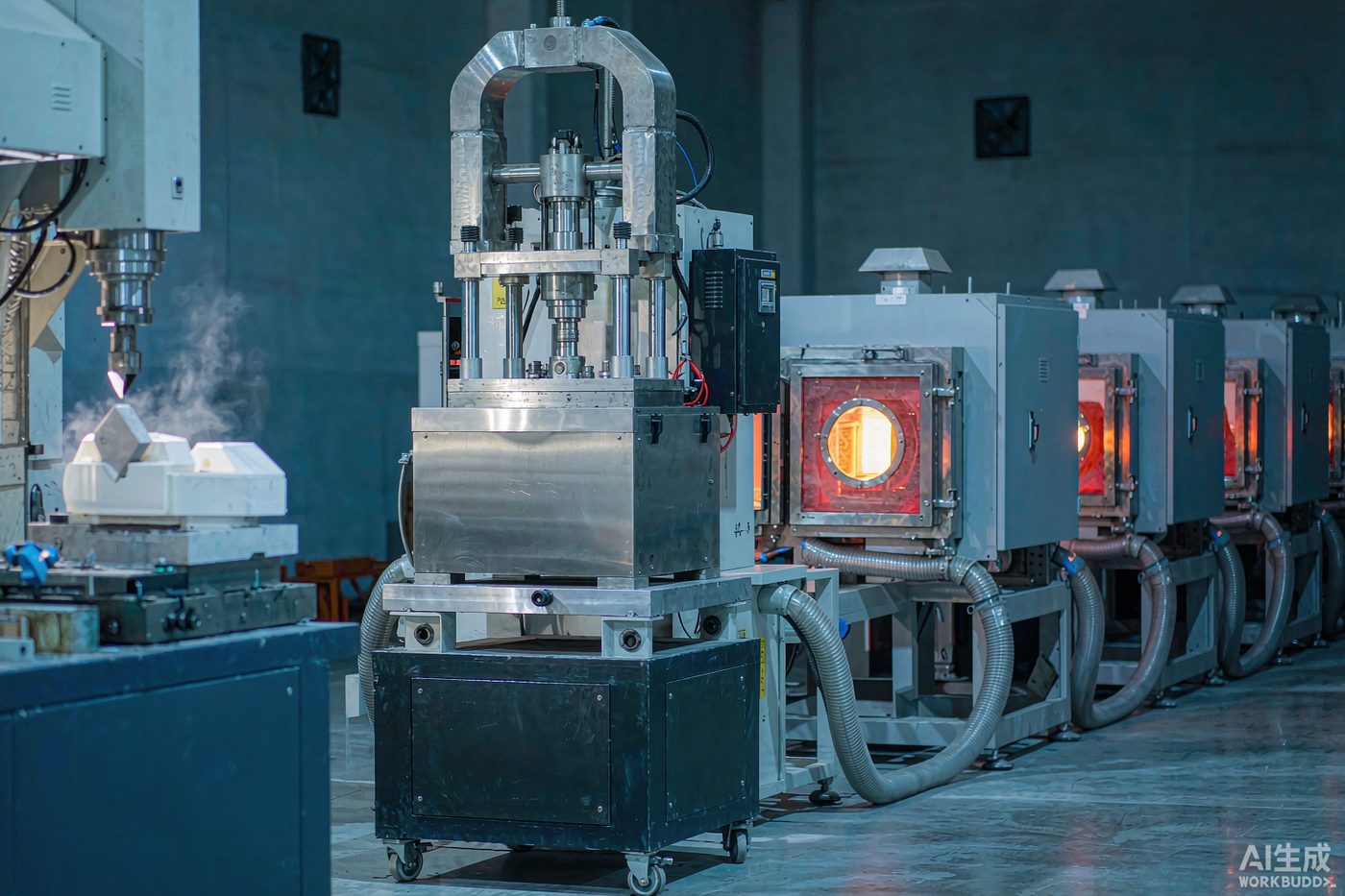
Where pumps, valves and kilns grind through metal parts every few months, ceramics last for years — cutting downtime and total cost of ownership.

  • Mechanical seal rings (SiC / ZrO₂) for chemical & slurry pumps
  • Plungers, sleeves, valve balls & seats for high-pressure systems
  • Nozzles, cyclone and pipe wear liners
  • Kiln furniture, crucibles and thermocouple tubes

Compare all materials →

Ceramic components in industrial production
Frequently Asked Questions

Application Questions, Answered

Which ceramic do you recommend for semiconductor equipment?

It depends on the function. Alumina 99.7%–99.8% for insulating and chamber parts, AlN for ESC bodies, heater cores and thermal substrates, high-purity SiC for plasma-facing and high-temperature parts such as focus rings, paddles and carriers, and zirconia for wear and fluid-handling components. Most tools use two or three of these materials at once.

Do you accept small orders or prototype quantities?

Yes. We regularly run prototype and qualification batches before a production release, so customers can test fit, function and particle performance on real hardware. Unit price is higher at prototype quantity, then falls sharply once tooling and process parameters are fixed.

Can you support LED, photovoltaic and optoelectronics customers?

Yes — polished alumina carriers, LED package and submount ceramics, sapphire-growth hardware, diffusion furnace tubes, thermocouple protection tubes, kiln rollers and boats. These industries need high purity together with good flatness and surface finish, which our grinding and lapping lines provide.

What documentation is supplied with an order?

A certificate of analysis (purity, density, flexural strength, hardness), a dimensional inspection report where specified, and a packing list. Export documentation — commercial invoice, packing list, certificate of origin and freight papers — is handled in-house for international shipments.

Your Industry, Our Ceramics

Describe your application environment — our materials engineers will match the right ceramic grade and send a quotation within 24 hours.

Request a Quote