Medical & Dental
Implants & Instruments
Dental crowns, bridges and abutments, orthopedic joint interfaces, bone screws, surgical scissors, tweezers and Tweezer-style instruments with mirror-polished surfaces.
Metal-like fracture toughness combined with extreme hardness, low friction and bio-compatibility — from dental crowns to pump plungers and plasma-exposed parts.
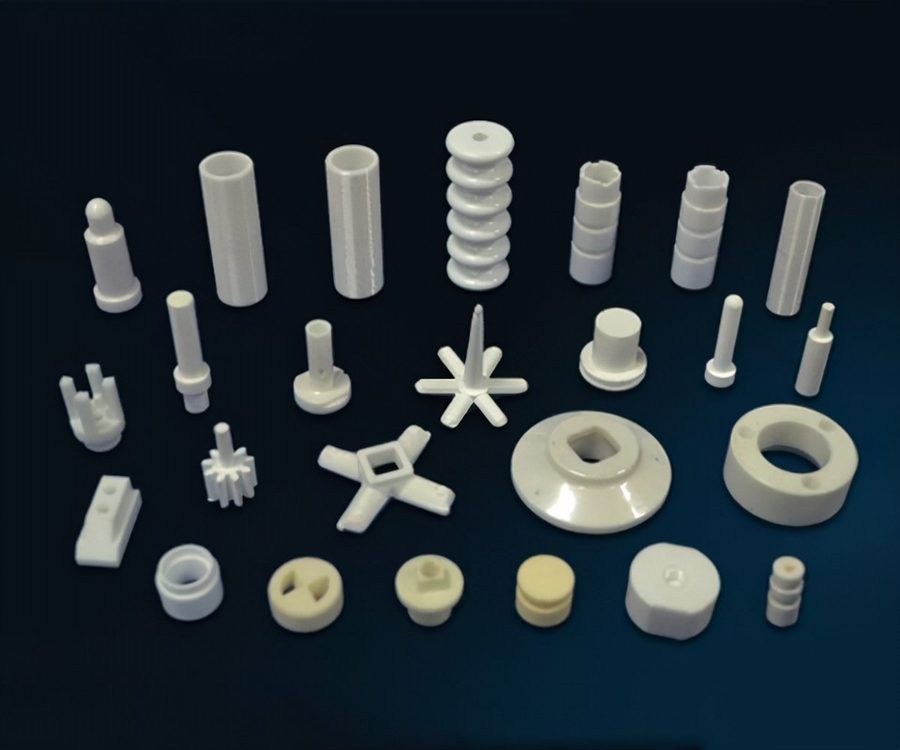
Tetragonal zirconia polycrystal (Y-TZP) transforms its crystal structure at a crack tip under load, absorbing energy in the same way toughened steels do. The result is a ceramic with flexural strength above 900 MPa — several times that of alumina — plus a surface so smooth and inert that human tissue accepts it.
| Property (typical) | DA-ZY (Y-TZP) | DA-ZTA (ZTA) |
|---|---|---|
| Bulk density (g/cm³) | 6.05 | 4.1–4.3 |
| Flexural strength (MPa) | 900–1200 | 600–800 |
| Fracture toughness (MPa·m½) | 8–10 | 5–7 |
| Hardness (HV) | 1250–1350 | 1450–1600 |
| Thermal conductivity (W/m·K) | 2–3 | ≈ 9 |
| C.T.E. (10⁻⁶/K, 20–1000 °C) | 10.5 | 8.5 |
| Max. service temperature (°C) | ≈ 1000 | ≈ 1400 |
Typical values for reference; custom specifications and full test reports available on request.
Dental crowns, bridges and abutments, orthopedic joint interfaces, bone screws, surgical scissors, tweezers and Tweezer-style instruments with mirror-polished surfaces.
Slitter blades, cutting knives and edge tools that keep a razor edge without corrosion or metallic contamination — ideal for film, foil, paper and food processing.
Plungers, plungers sleeves, valve balls and seats, and metering-pump parts for high-pressure, abrasive and chemically aggressive media.
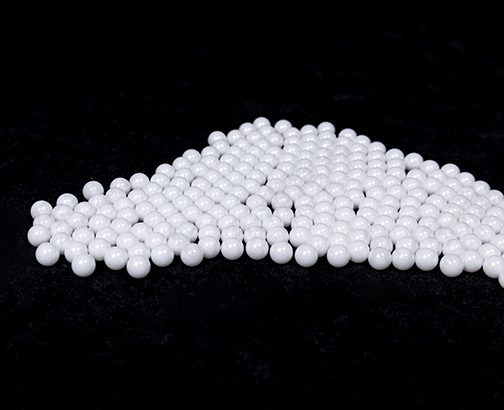
Fully dense precision balls (G5–G10), hybrid bearing rings and optical-fiber ferrules with roundness and surface finish measured to international standards.
Plasma-resistant guide rollers, wafer-handling contact parts, insulating pins and low-particle wear components where metallic contamination is unacceptable.
Oxygen-sensor elements, knock-sensor substrates, fuel-pump parts and locking-system components exploiting zirconia's ionic and dielectric properties.
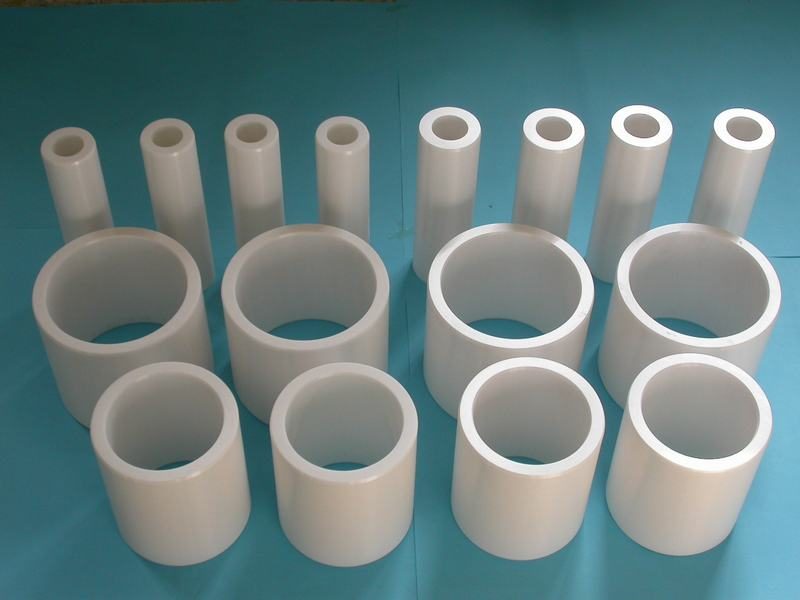
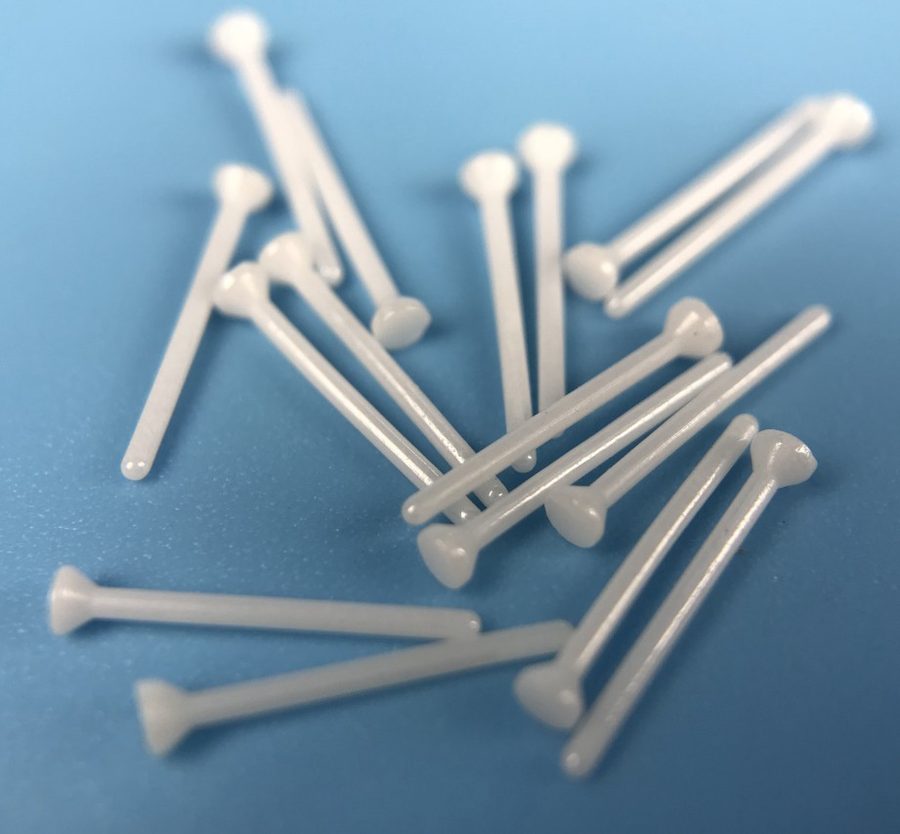
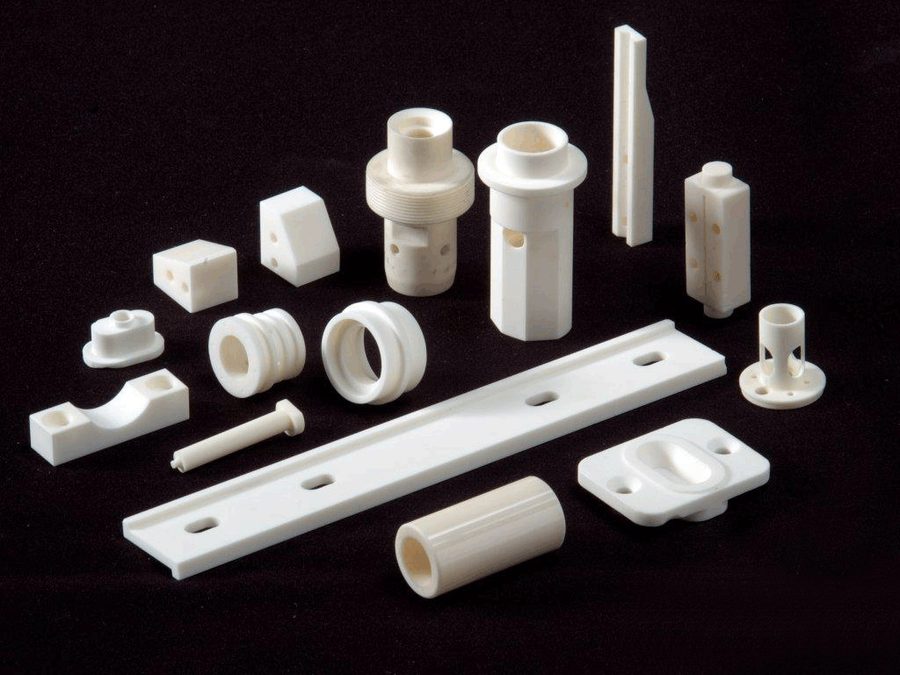
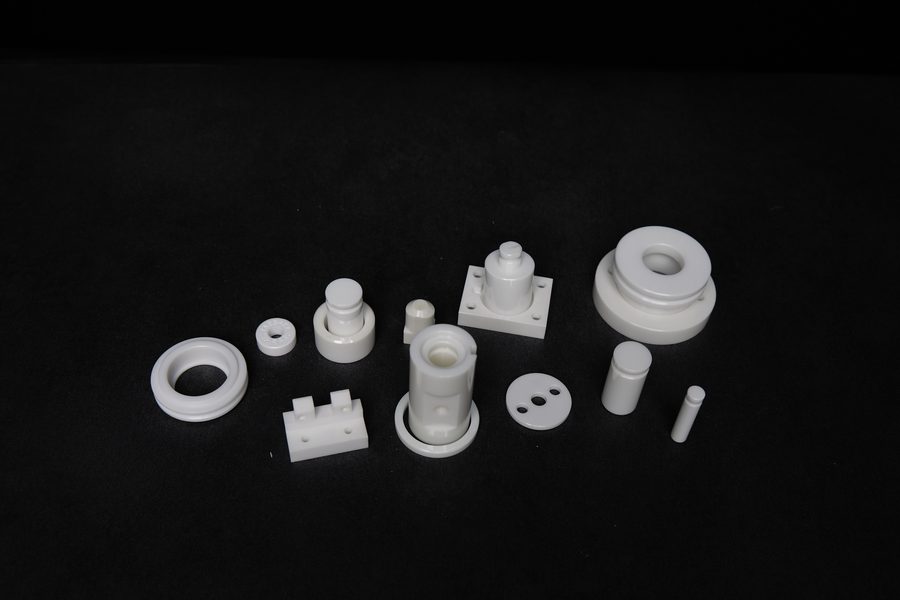
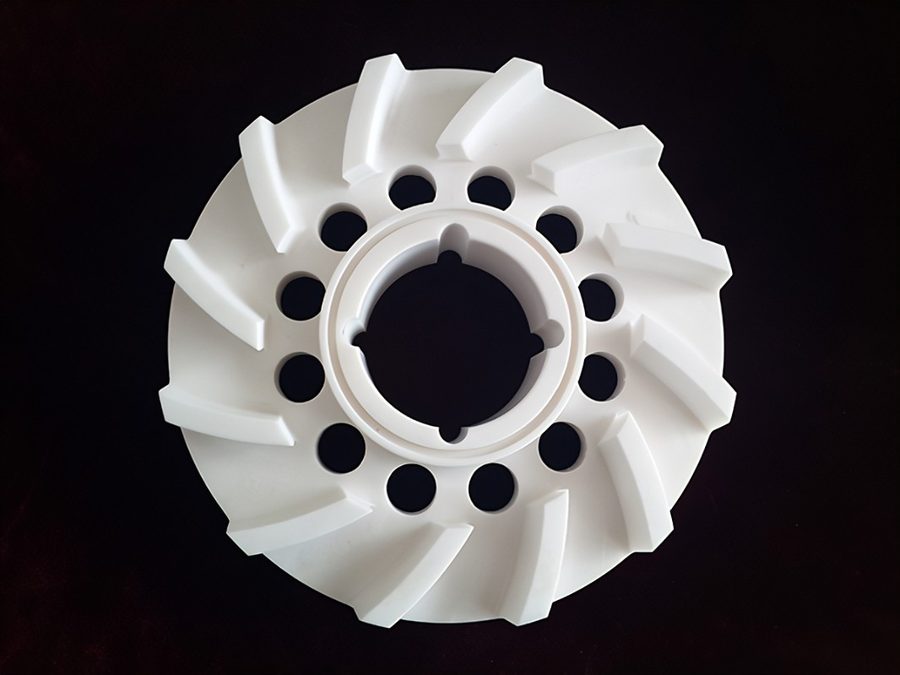
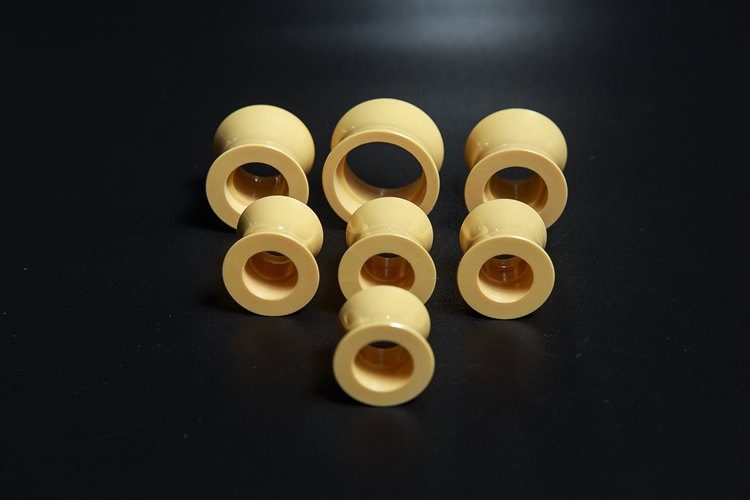
Actual production parts from our facility — send us your drawing or target application and we will quote the same.
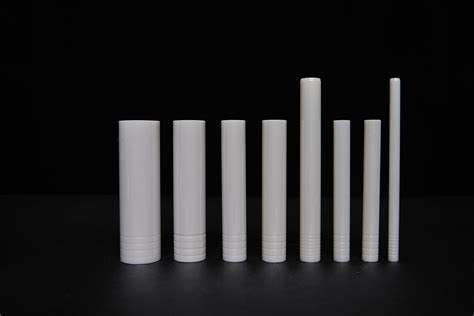
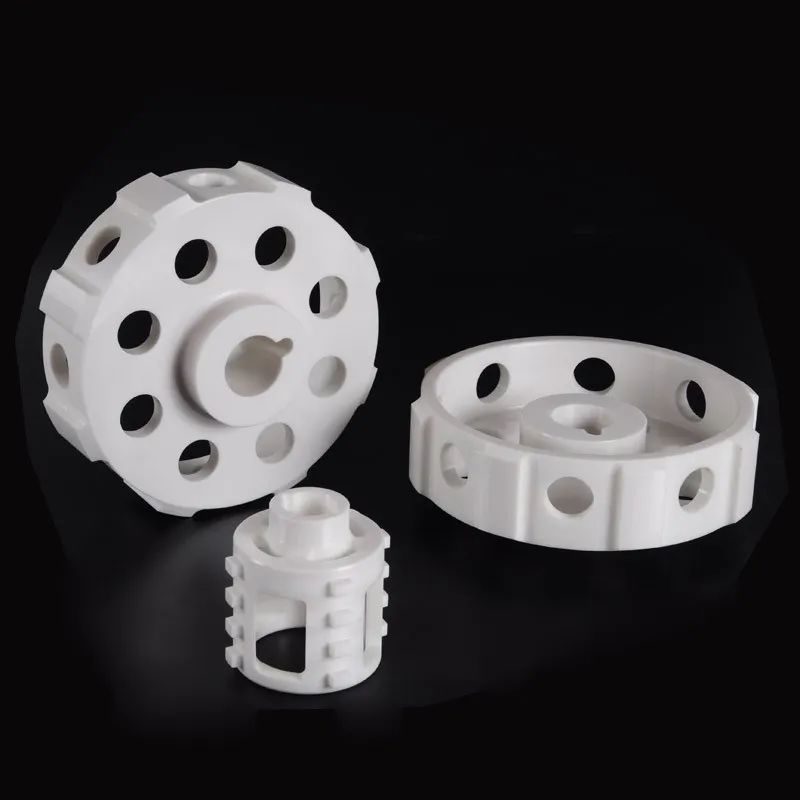
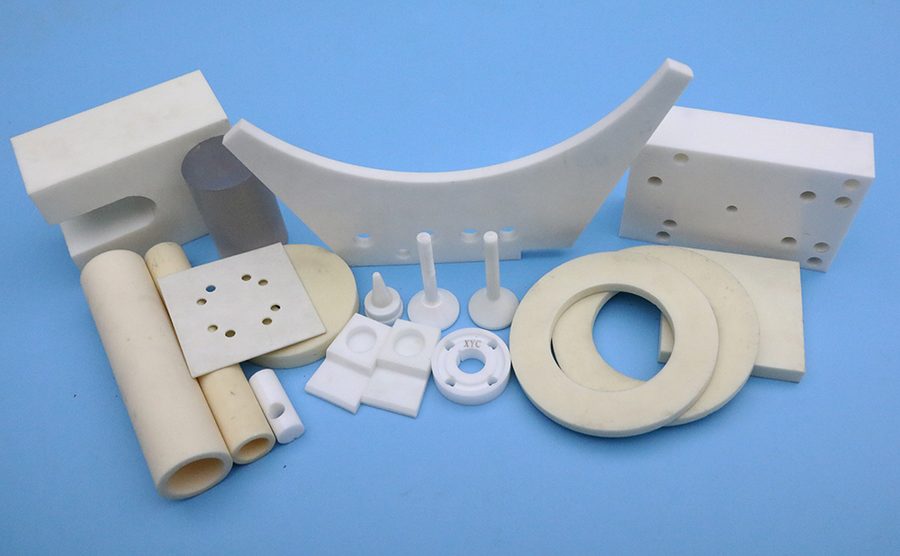
Toughness. Y-TZP zirconia reaches 8–10 MPa·m½ fracture toughness against roughly 3–4 for alumina, so it survives impact, bending and point loading that would chip or crack an alumina part. It also polishes to a smoother surface with lower friction, which is why it is chosen for cutting blades, slitters, pump plungers, valve seats and precision balls.
Yes. We machine bio-compatible yttria-stabilised zirconia components for dental and surgical use — crown and bridge frameworks, abutments, surgical scissors and bone-screw blanks — from medical-grade powder. Final medical-device qualification remains the device manufacturer's responsibility; we supply the ceramic component and its material documentation.
Zirconia can slowly lose toughness in warm, humid conditions through a tetragonal-to-monoclinic transformation. We control it by using the correct yttria content, achieving a dense fine-grained microstructure and keeping grain size under control during sintering. Tell us the service environment and we will match the grade — for long-term hydrothermal duty we would normally recommend a different material altogether.
Yes — ceramic slitting blades, film and foil knives and industrial blades ground to a sharp, burr-free edge. Zirconia blades outlast steel in abrasive or corrosive media and eliminate metal contamination, which matters for battery, film and food-contact production lines.
Zirconia sits at roughly 1250–1350 HV; hardened tool steel is about 700–800 HV, and ZTA/alumina is higher at around 1450–1600 HV. Zirconia's advantage is not raw hardness but the combination of high hardness with high toughness and low friction, which is what stops a blade chipping.
From one-off prototypes to million-piece annual programs — quote returned within 24 hours with material certificate.