Semiconductor
Wafer-Processing Components
Electrostatic chuck (ESC) parts, wafer heaters and clamping rings, plasma-resistant insulators and lift-pin components where uniform temperature is critical to yield.
Thermal conductivity up to 200 W/m·K with high electrical insulation — the thermal-management ceramic behind power modules, LED packages and semiconductor wafer heaters.
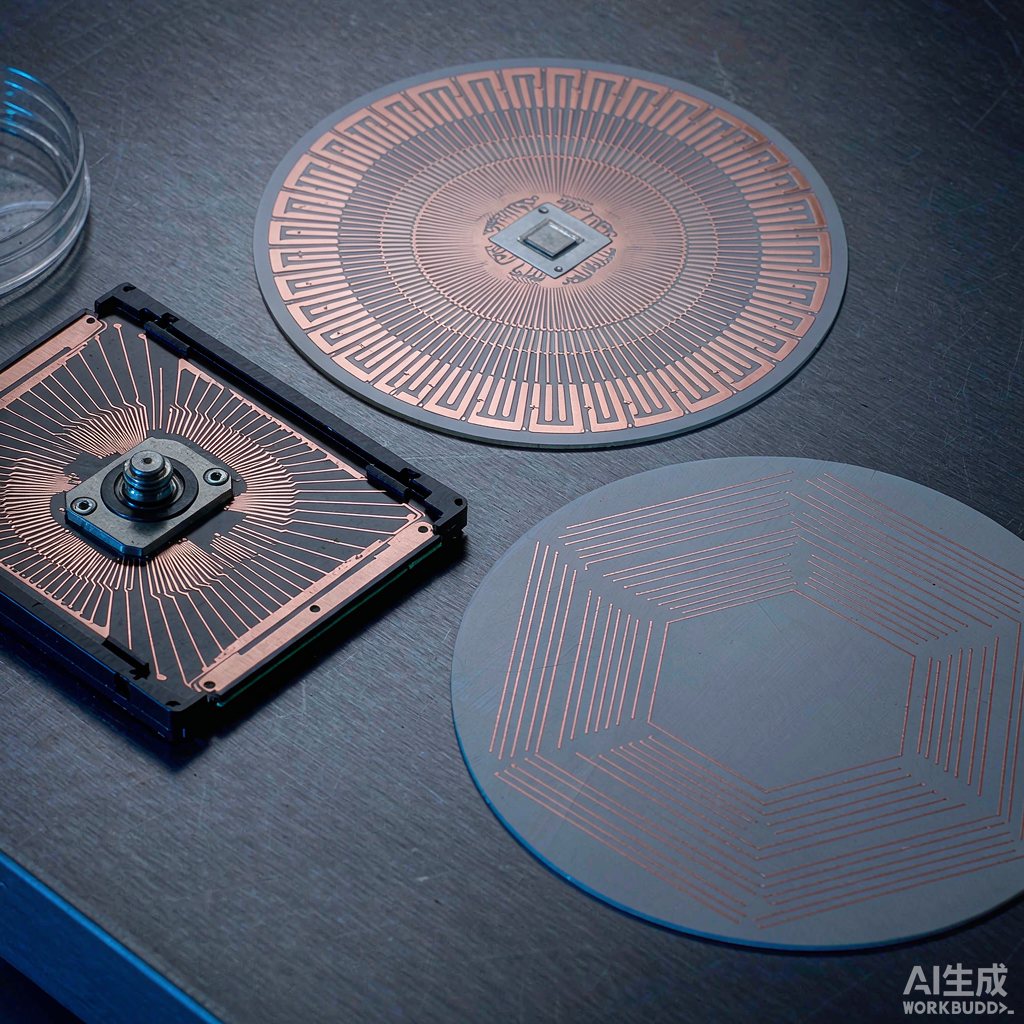
Where heat must move but current must not, aluminum nitride outperforms alumina by nearly seven times in thermal conductivity — while its coefficient of expansion closely matches silicon, protecting bonded dies and circuits through thermal cycling.
| Property (typical) | DA-AN170 | DA-AN200 |
|---|---|---|
| Thermal conductivity (W/m·K, 20 °C) | ≥ 170 | ≥ 200 |
| Bulk density (g/cm³) | 3.25 | 3.26 |
| Flexural strength (MPa) | ≥ 350 | ≥ 380 |
| C.T.E. (10⁻⁶/K, 20–400 °C) | 4.5 | 4.5 |
| Volume resistivity (Ω·cm, 20 °C) | > 10¹⁴ | > 10¹⁴ |
| Dielectric strength (kV/mm) | ≥ 15 | ≥ 17 |
| Max. service temperature (°C, air) | ≈ 900 | ≈ 1000 |
Typical values for reference; custom specifications and full test reports available on request.
Electrostatic chuck (ESC) parts, wafer heaters and clamping rings, plasma-resistant insulators and lift-pin components where uniform temperature is critical to yield.
DBC / AMB substrate blanks, IGBT and SiC-module heat spreaders, baseplates and cooling fins for electric-vehicle inverters, chargers and rail traction systems.
High-power LED package substrates, laser-diode submounts and heat sinks that pull heat away from junctions to protect lifetime and brightness.
AlN crucibles for molten-metal and crystal-growth handling, plus thermocouple protection tubes resistant to wetting by aluminum and other melts.
Plates, discs, rings, rods and complex milled geometries with lapped surfaces and tight flatness — produced from your CAD drawing.
Tungsten / Mo-Mn metallized AlN with nickel plating, braze-assembled into housings, feedthroughs and multi-layer thermal stacks.
Our two standard grades are DA-AN170 at ≥ 170 W/m·K and DA-AN200 at ≥ 200 W/m·K measured at 20 °C — roughly six to seven times the thermal conductivity of alumina — while remaining electrically insulating.
AlN, when heat has to move. The thermal-conductivity ratio is about 6:1 in favour of AlN, and its coefficient of thermal expansion (4.5 ×10⁻⁶/K) is closer to silicon, which reduces thermal stress on bonded dies. Choose alumina only when heat flux is low or cost dominates.
Yes. We produce AlN substrates and heat spreaders in plain, metallized (Cu or Al) and DBC/AMB-ready form for IGBT, SiC MOSFET and laser-diode packaging. Flatness and surface roughness are controlled to suit direct-bonding processes.
Yes. AlN is a leading material for ceramic ESC bodies and ceramic heater cores in semiconductor equipment because it combines electrostatic clamping, electrical insulation and efficient heat transfer in a single part. We machine and metallize these components to drawing.
Dense, well-sintered AlN is stable in normal ambient conditions, with a maximum service temperature of about 900–1000 °C in air. Above that, oxidation accelerates, so for long high-temperature duty we recommend a controlled atmosphere — or silicon carbide, which tolerates higher temperatures in air.
Share your power density and footprint — we will propose the right AlN grade, thickness and metallization scheme.